Chislehurst
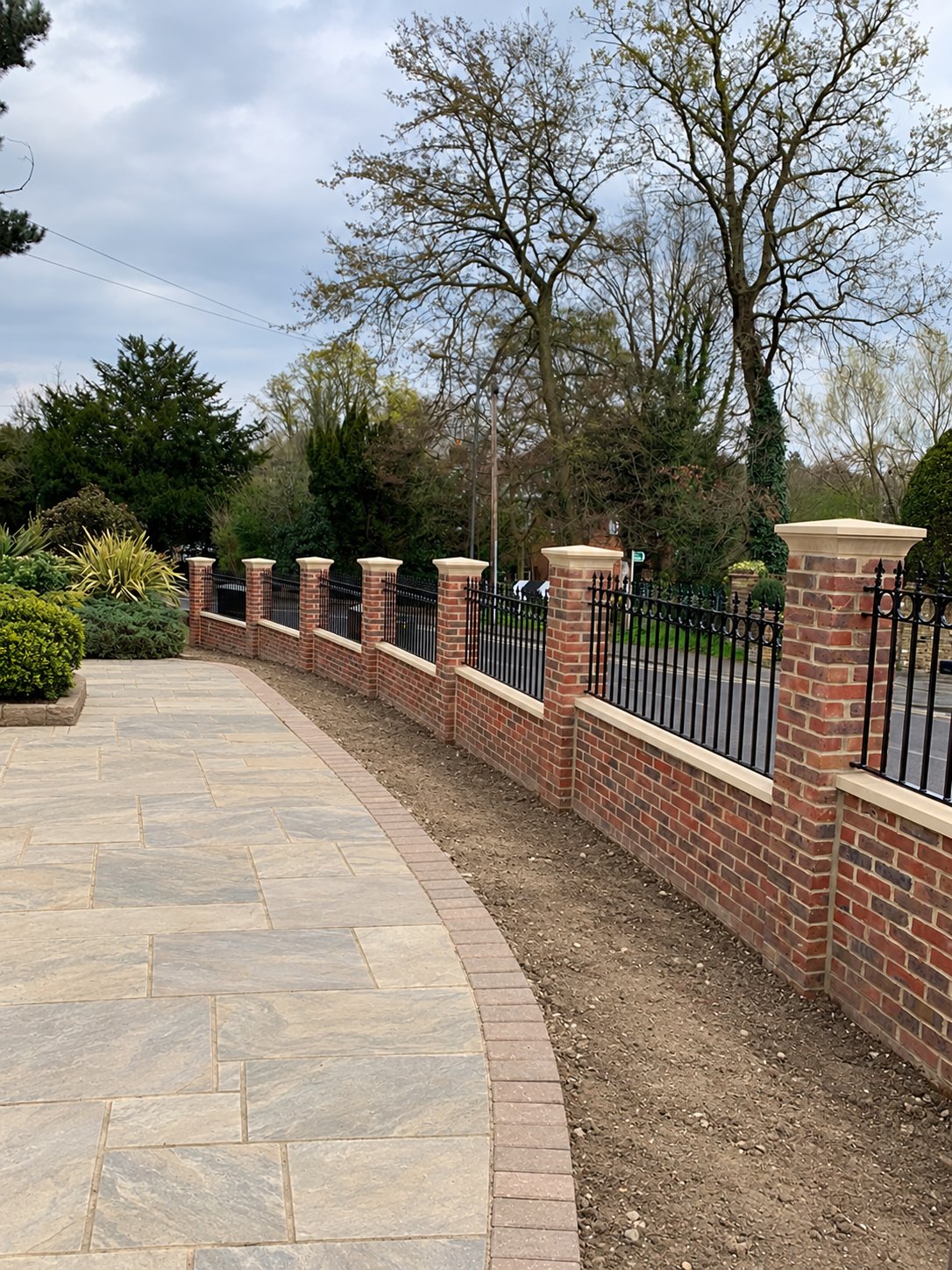
Brick piers, stone coping and railings
A brick boundary with pale stone coping and pier caps, finished with decorative railing panels.
View Chislehurst projectDRIVEWAYS, PATIOS & PATHS
Landscape Gardener of Kent installs block paving in Canterbury for parking areas, garden paths and patios. Choose a layout, colour and border that suit your home, with the ground preparation, supporting construction and drainage planned for how the area will be used.
Plan parking positions, vehicle movements, gate openings and a walking route to the house. The blocks and construction beneath them must be suitable for the vehicles using the drive.
Connect doors, seating areas and garden features with a defined route. Discuss widths, corners and level changes before choosing the pattern.
Smaller paving units can work well with borders and changes in direction. Set out furniture and access routes first, then compare block paving with porcelain or natural stone for the appearance and upkeep you prefer.
Explore patio installation in Canterbury for the other paving options.
Choose samples alongside the house, garden walls and any paving you are retaining. A contrasting border can define a parking space or path, while a consistent palette can connect the entrance with the garden. Allow for colour variation between batches and the appearance of older blocks if you are extending an existing area.
Discuss herringbone, stretcher bond or other patterns alongside the chosen block range and intended use. Setting out should account for corners, inspection covers and narrow strips so the pattern remains practical. For a driveway, appearance and suitability for vehicle loading need to be considered together.
Uneven paving, spreading edges and standing water often need investigation beneath the visible blocks. A new installation starts with an assessment of the ground, existing construction and required finished levels.
There is no single excavation depth or base detail suitable for every driveway and patio. The quotation should identify the proposed construction rather than leave it as a general promise of preparation.
Conventional block paving needs a planned route for surface water. A permeable paving system uses suitable blocks, open joints and compatible supporting layers to manage rainfall. Changing the blocks alone does not turn a conventional driveway into a permeable one.
The drainage approach depends on levels, ground conditions and where water can safely go. It should be agreed before installation. For front gardens in England, Planning Portal guidance explains that paving over five square metres with an impermeable surface generally needs planning permission unless runoff is directed to a permeable area. Other restrictions may apply to your property or changes to highway access.
Read the front garden paving guidance or discuss your plans with the local planning authority.
OUR WORK IN KENT
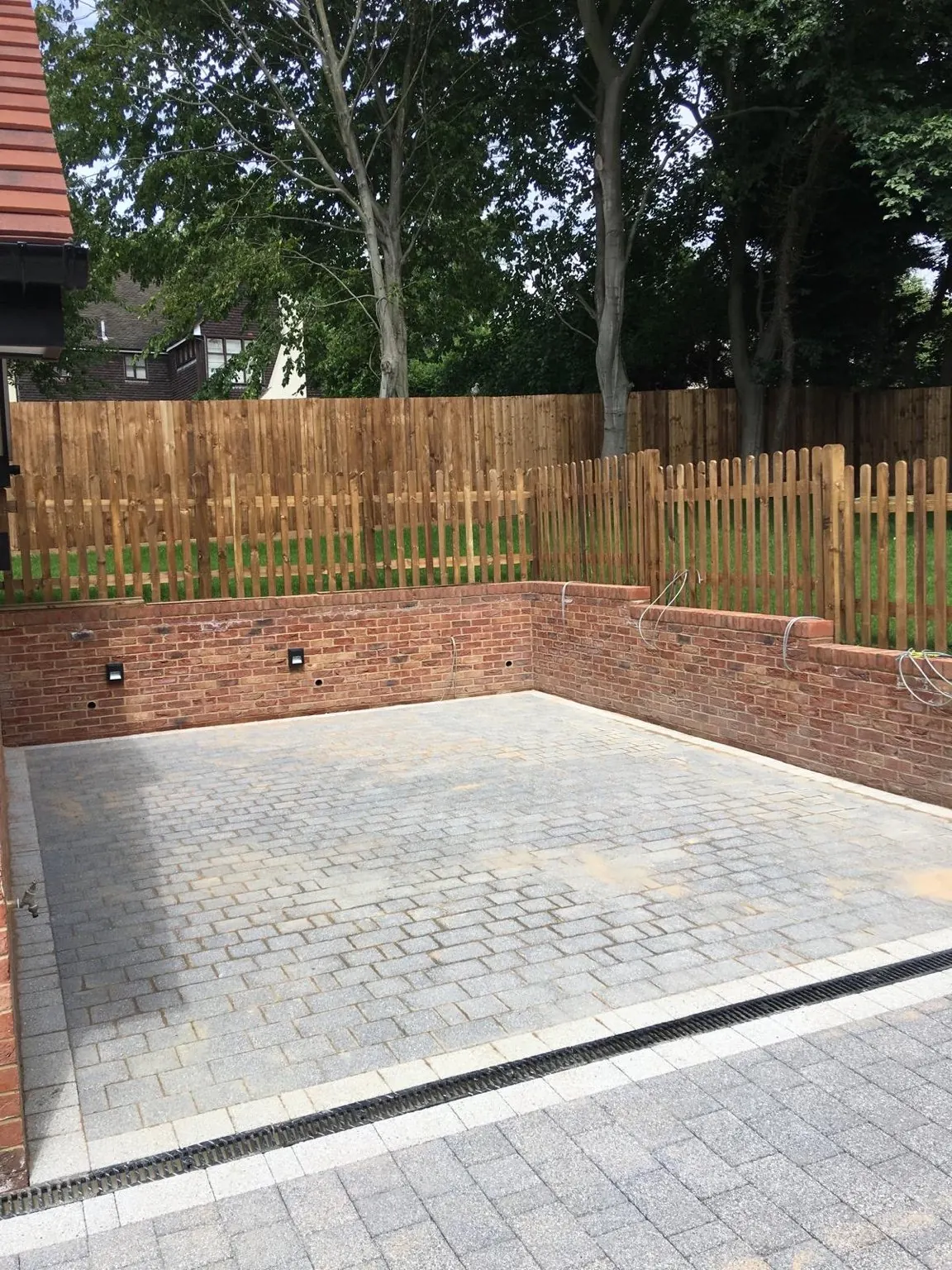
Our West Malling project brings together block paving, brick retaining walls, a porcelain patio and timber fencing. It shows how paving can form part of a wider garden scheme, with different materials used for different areas.
The installed cost depends on area, block choice, clearance, ground conditions, access, drainage, edges and the complexity of the layout. A small path, a complete driveway replacement and lifting existing paving involve different scopes of work.
Compare quotations that include the same items: removal and disposal, excavation, supporting layers, bedding, blocks, borders, jointing, drainage and finishing around covers. Confirm whether VAT applies and what happens if unforeseen ground conditions require extra work. The retail price of the blocks alone does not represent the cost of a completed installation.
Send your postcode, photographs and approximate dimensions for a free, no-obligation quotation. Tell us what needs to stay and whether access is restricted.
Individual blocks can often be lifted for access or repairs. A sunken section needs assessment of the cause before relaying: simply levelling the surface may leave the problem unresolved. Reusing sound blocks may be possible, although replacements can differ in colour from weathered paving.
Clear leaves and debris, keep drainage routes open and maintain the specified jointing. Follow the product guidance for cleaning; aggressive washing can remove joint material. Block paving needs ongoing care, and surface debris can support weed or moss growth even when the construction beneath it is sound.
A geotextile may be specified to separate or filter layers, depending on the ground and paving system. Its type and position need to suit the construction; it is not a substitute for a suitable base. Do not assume a generic weed membrane is required immediately under every paved surface.
Neither is always cheaper. Compare the complete installation for the same area and use, including ground preparation, material choice, cutting, jointing and edges. Garden slabs also need to be suitable for their intended use; a patio specification should not be assumed suitable for parking.
Joint maintenance, cleaning and possible weed growth are considerations. Settlement or spreading can occur if the supporting construction or edges are inadequate. Older paving can also be difficult to match when extending or repairing an area.
Sound blocks may be reusable after inspection. Allow for damaged units, cleaning and possible colour differences. If the area has settled, the underlying cause needs assessment before the blocks are relaid.
Yes, the layout should retain access and account for cover heights and finishing details. Agree these positions during setting out so they work with the chosen pattern and surface levels.
The programme depends on area, excavation, access, drainage and detailing. Ask for an expected schedule after assessment and confirm when vehicles can return. A small repair and a complete driveway replacement should not be compared using the same timescale.
Our Canterbury driveway page compares the main options. Explore resin driveways, tarmac driveways and gravel driveways alongside block paving to choose a finish suited to your entrance.
MORE IN CANTERBURY
Explore the other work available in Canterbury.
OUR WORK · KENT
Chislehurst
A brick boundary with pale stone coping and pier caps, finished with decorative railing panels.
View Chislehurst projectSt Margaret’s Bay
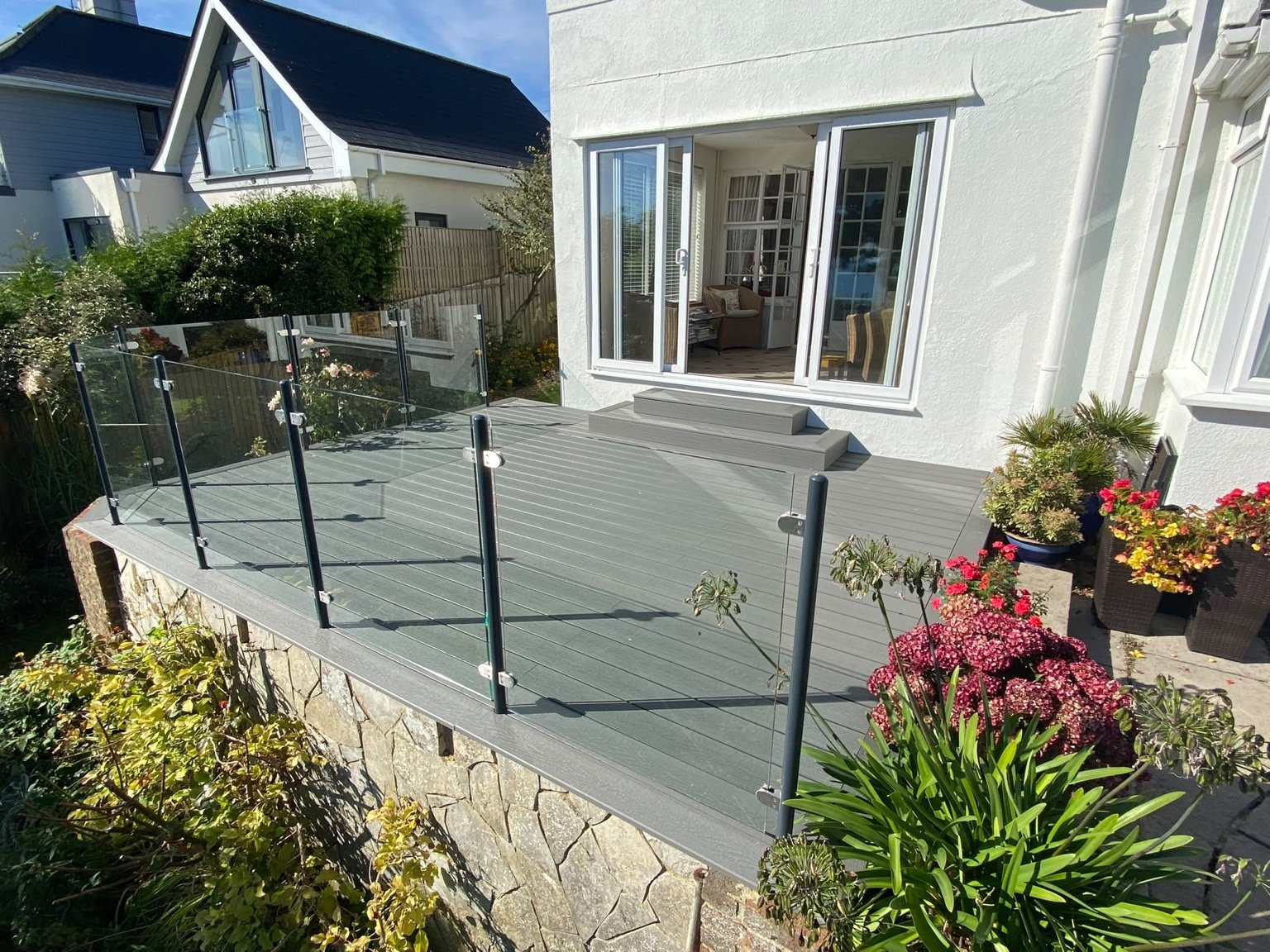
Grey composite decking, glass panels, powder-coated steel posts and matching steps.
View St Margaret’s Bay projectFolkestone
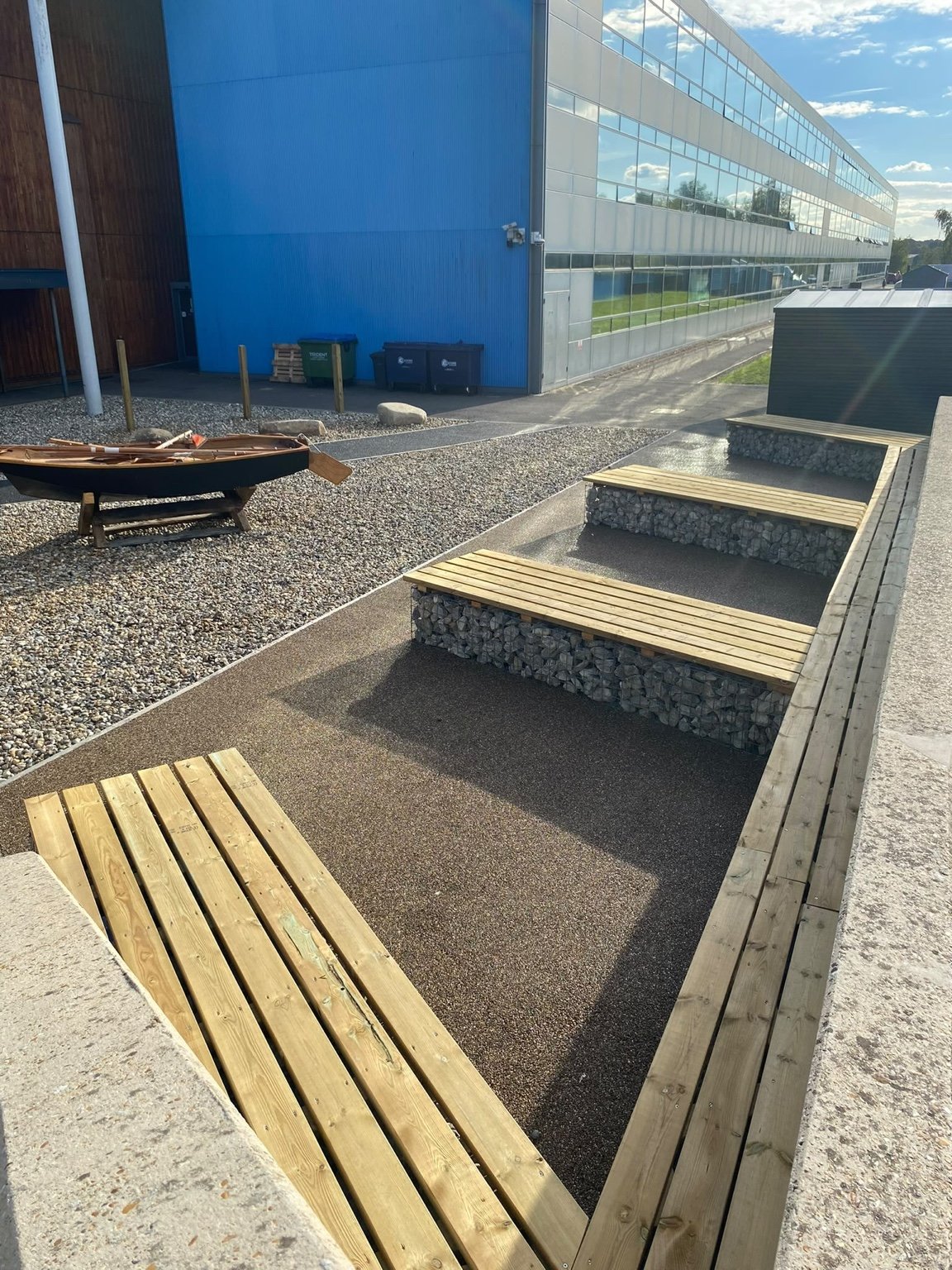
Timber-topped gabion benches, resin-bonded surfacing, shingle and a boat feature at the academy entrance.
View Folkestone projectCanterbury
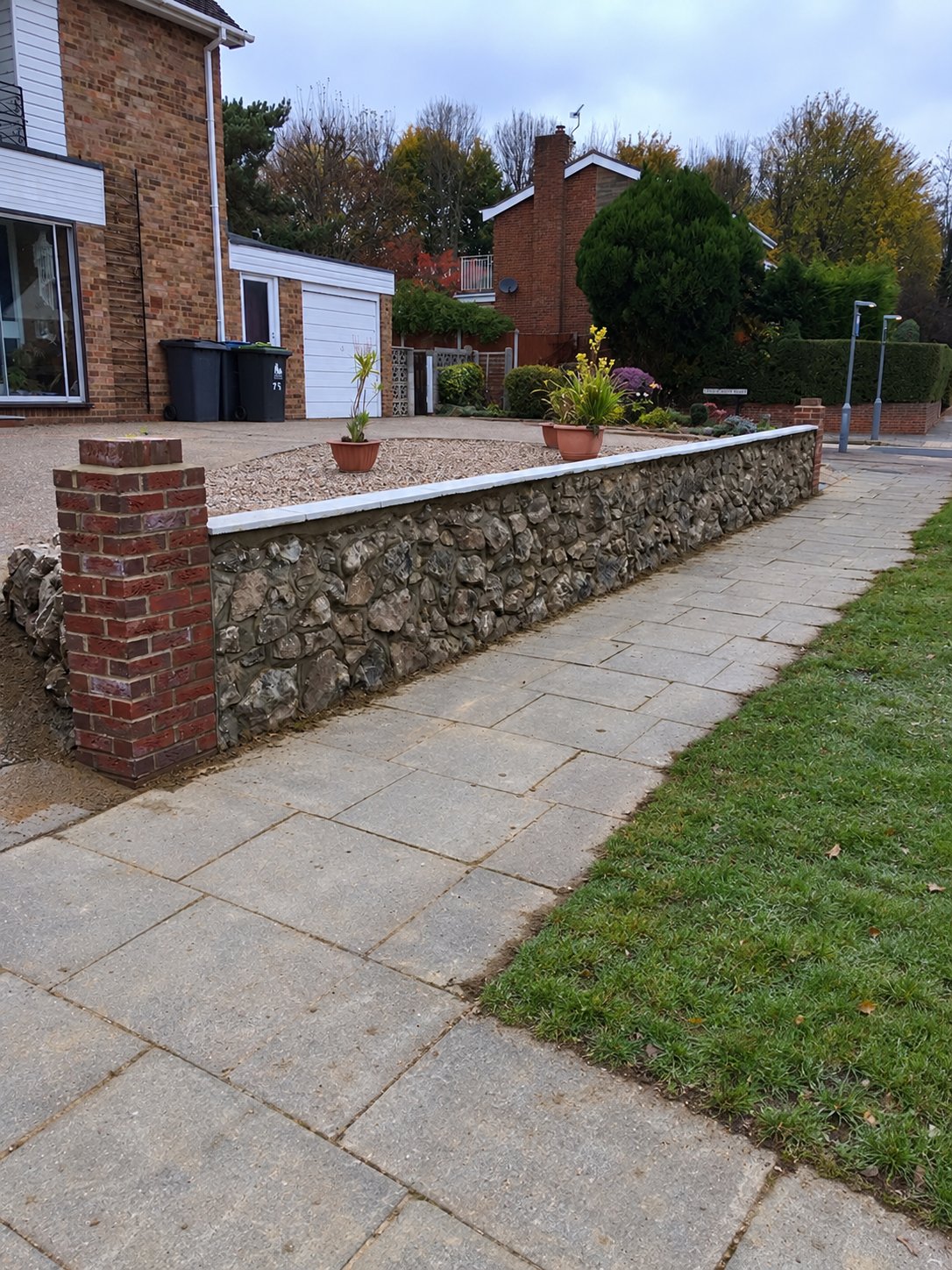
The stones from a customer’s late husband’s rockery kept and reused in a new front wall.
View Canterbury projectCanterbury
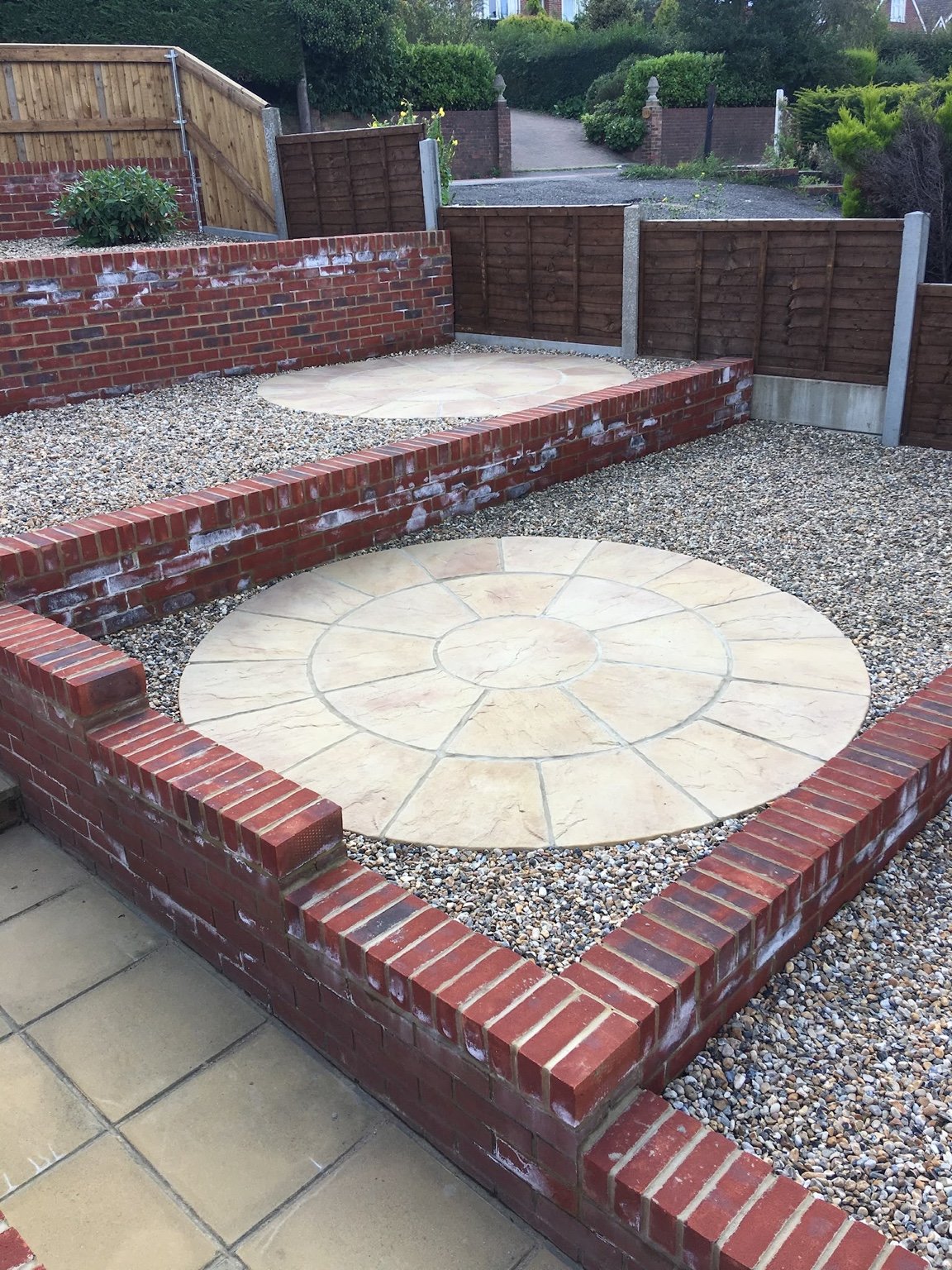
Retaining walls, shingle infill and riven buff slab circles across connected garden levels.
View Canterbury projectAshford
Before, during and after a timber decking replacement, from the old deck to the finished terrace.
View Ashford projectBorough Green
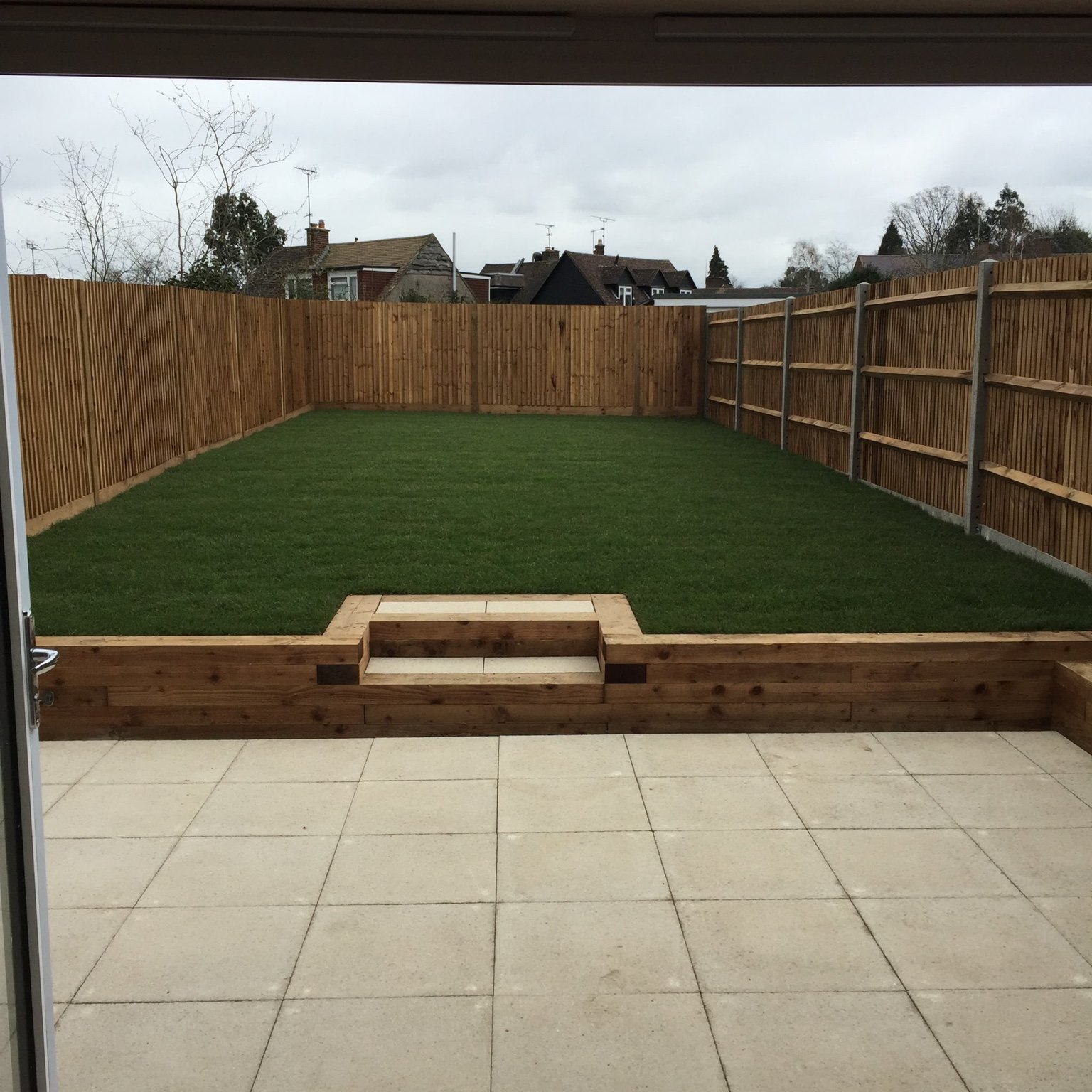
1800mm closeboard fencing, softwood sleeper planters, a 450mm buff slab patio and new turf.
View Borough Green projectCanterbury
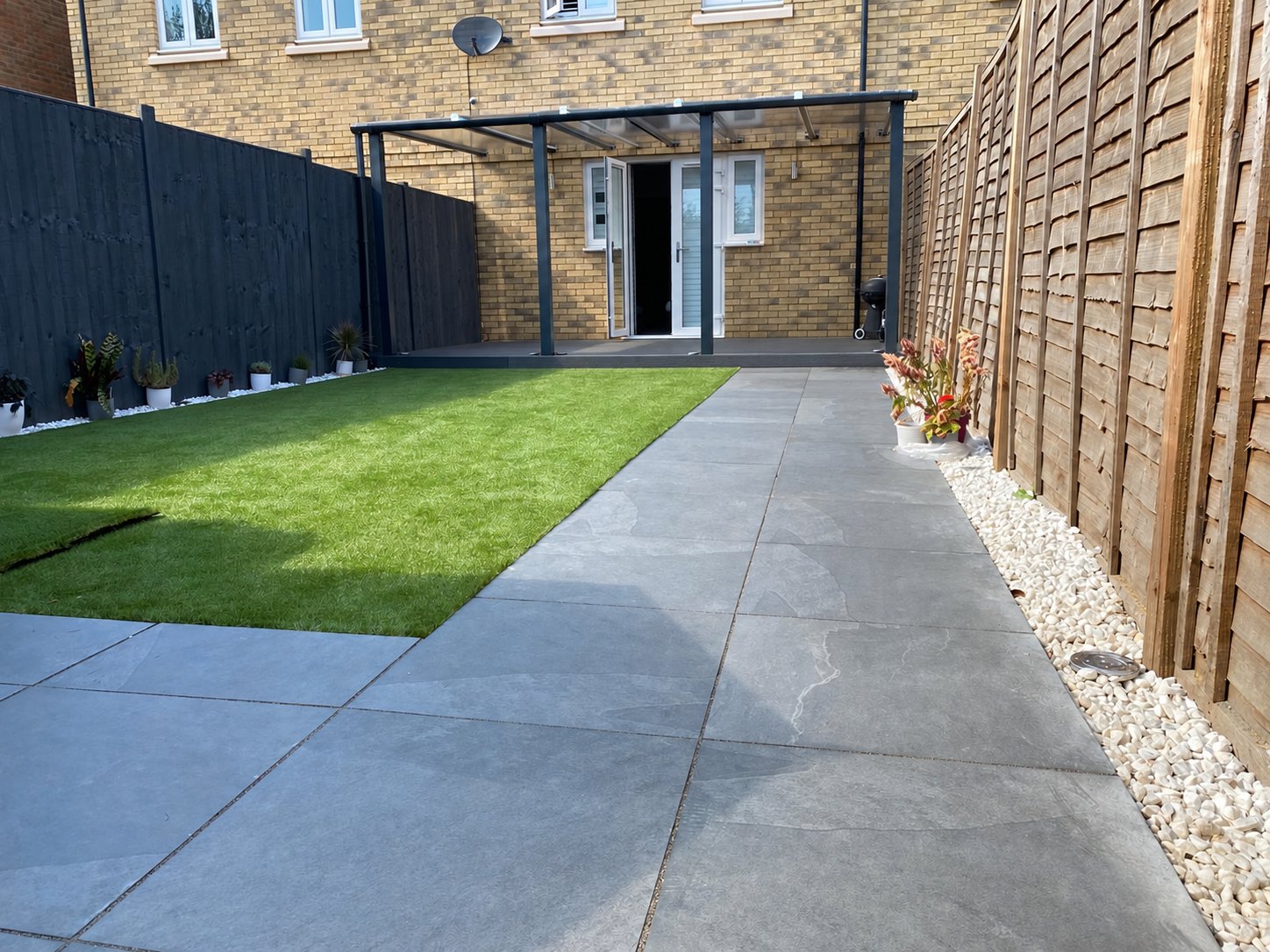
Porcelain paving, artificial grass and a custom steel-frame pergola with polycarbonate roof.
View Canterbury projectStrood
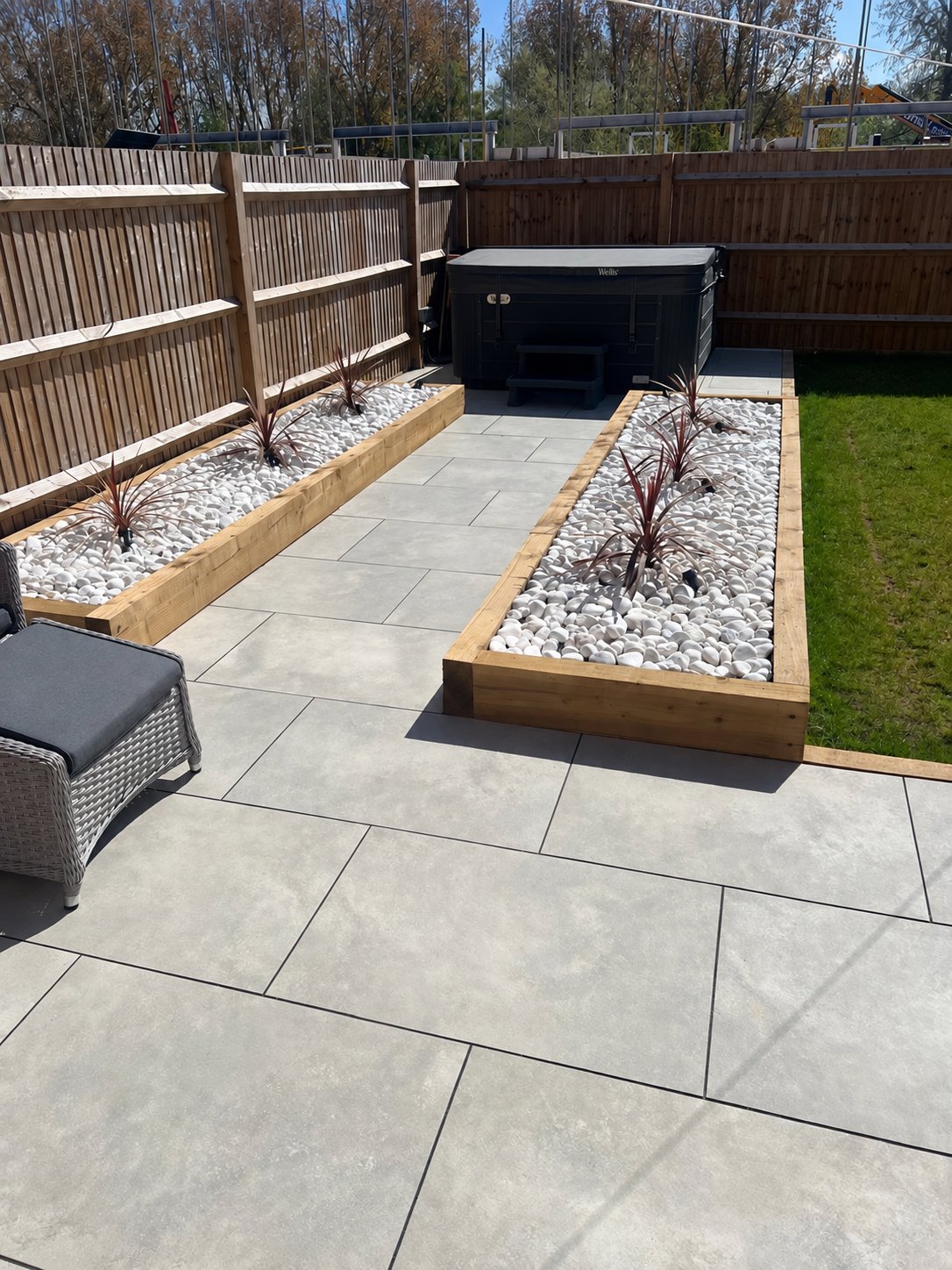
Grey porcelain paving framed by timber sleeper planters, white decorative stones and planting.
View Strood projectWest Malling
Block paving, porcelain patio, brick retaining walls and two styles of timber fencing.
View West Malling projectAshford
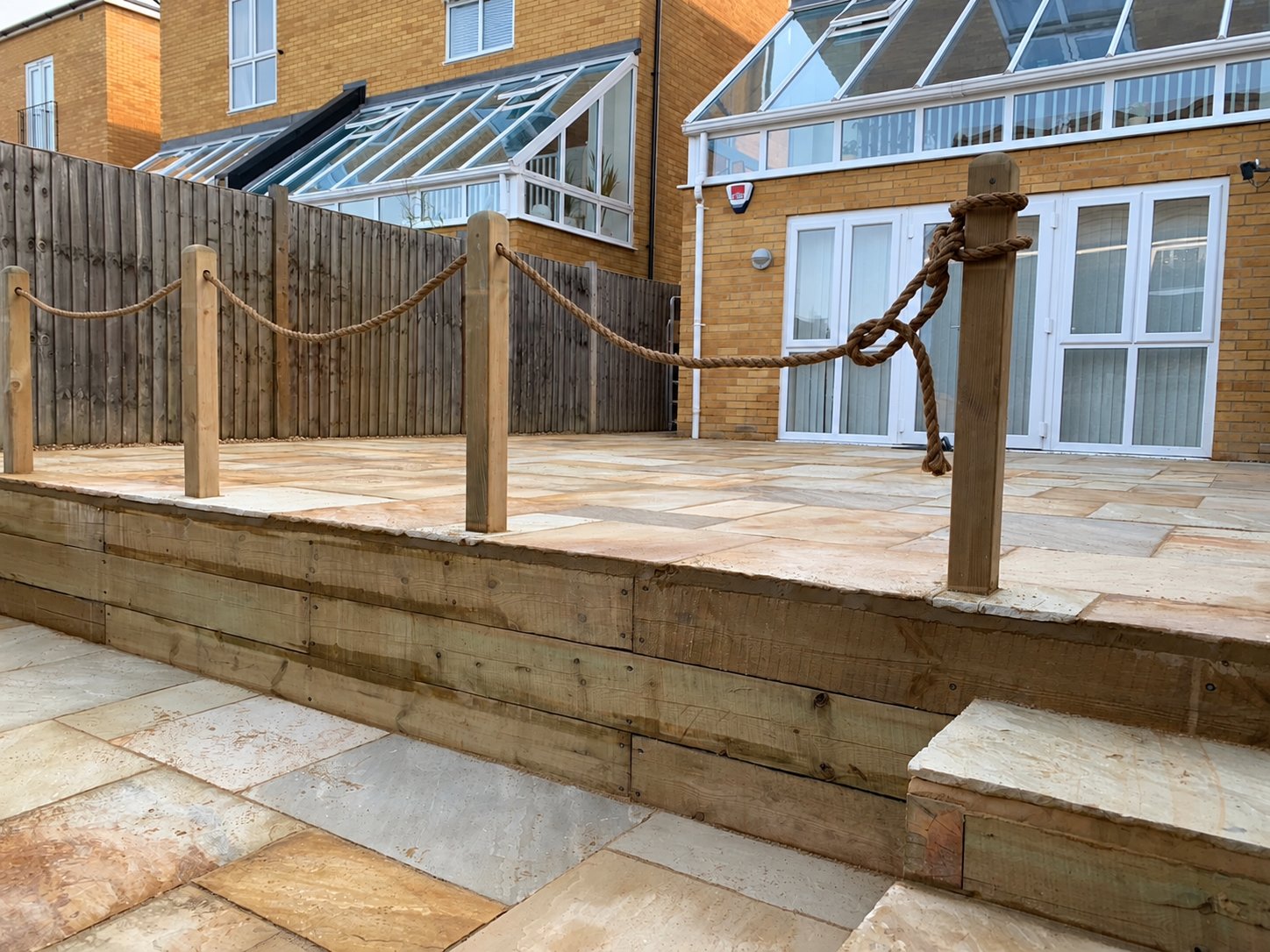
Sandstone paving across two levels, with timber sleeper retaining walls.
View Ashford projectDeal
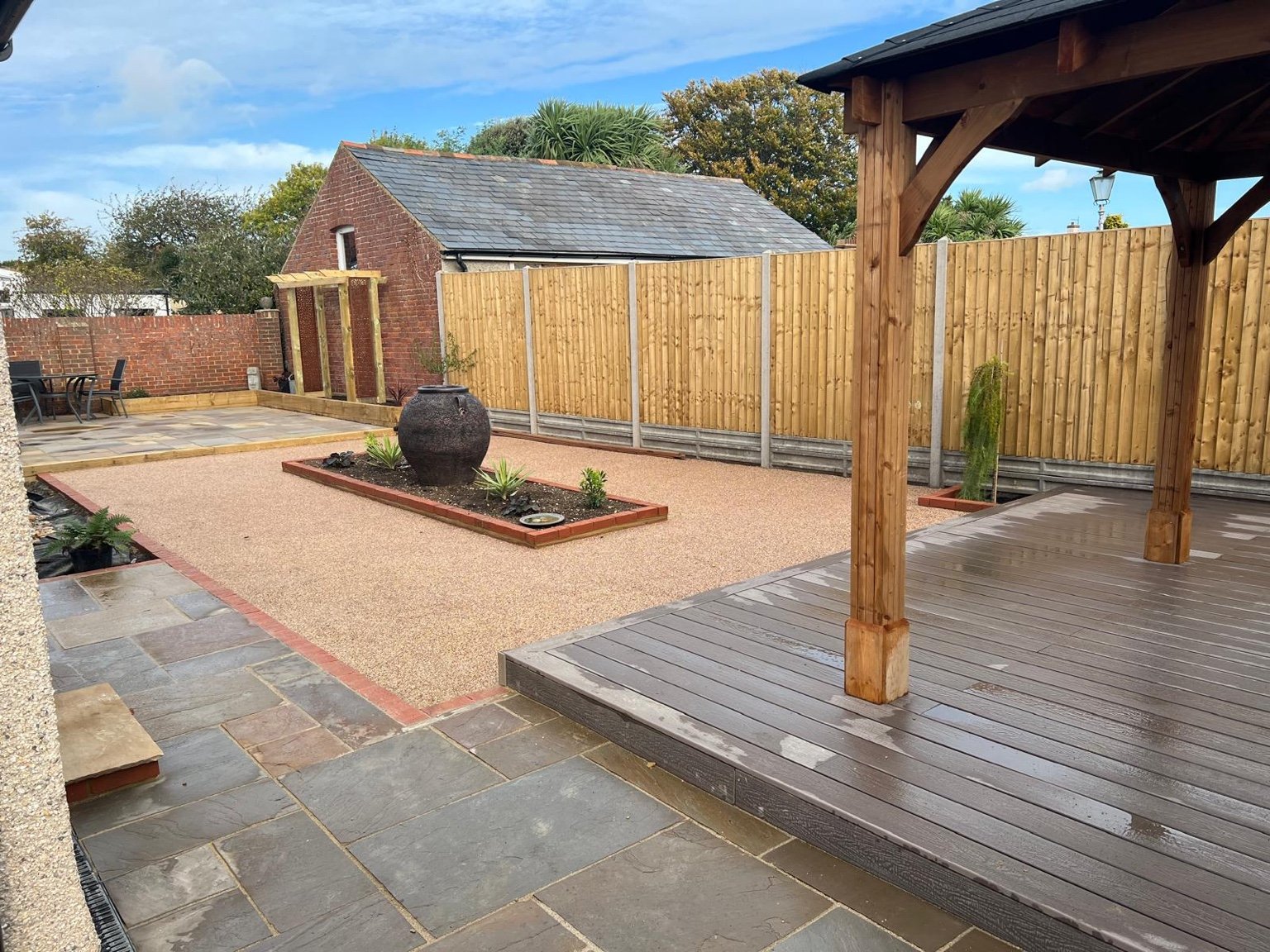
A sandstone patio, ash-coloured composite decking, pitched-roof pergola and sleeper planters.
View Deal projectSevenoaks
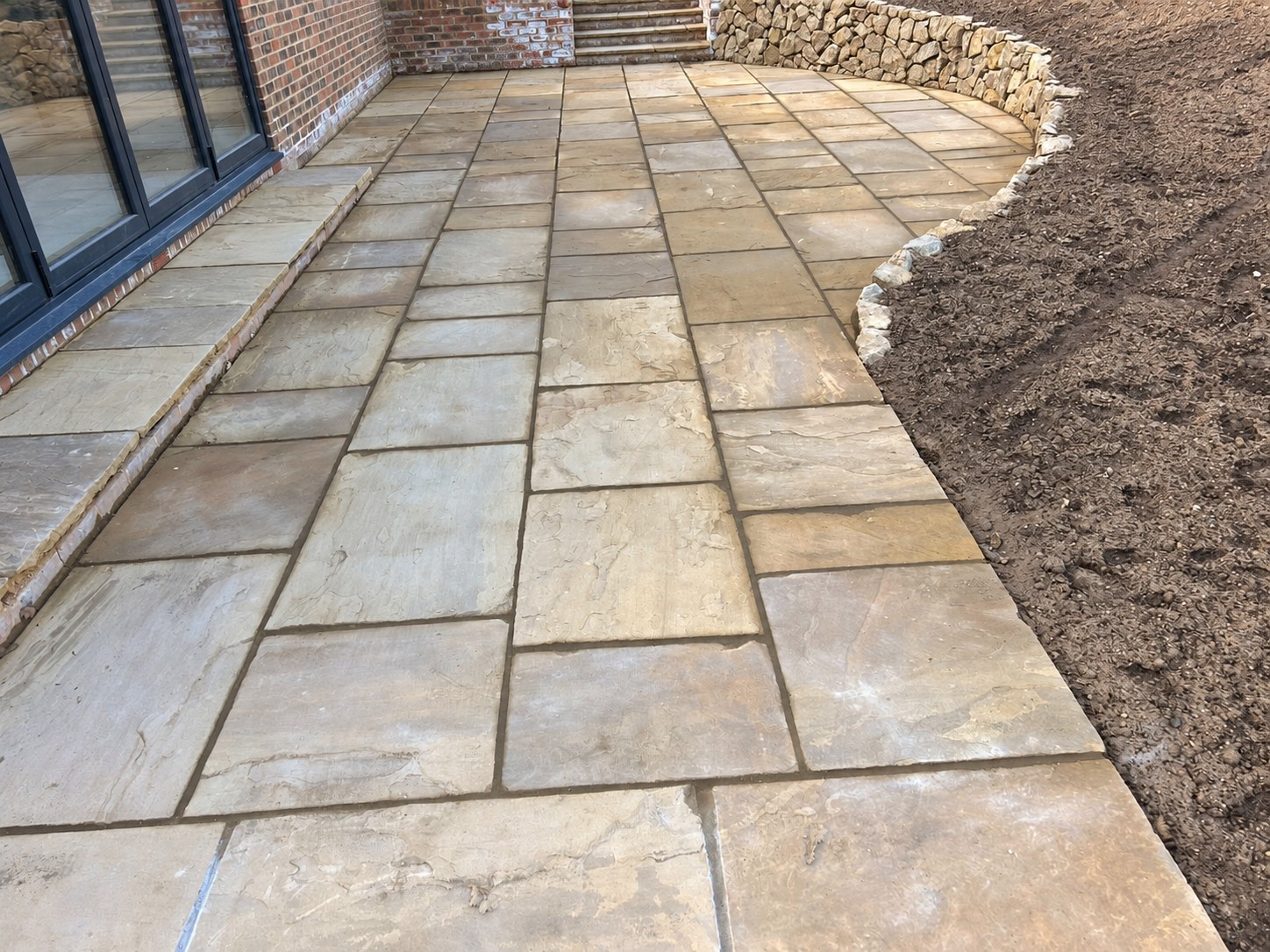
75mm thick York stone paving, curved paths, brick walls and Kentish ragstone walls.
View Sevenoaks projectHerne Bay
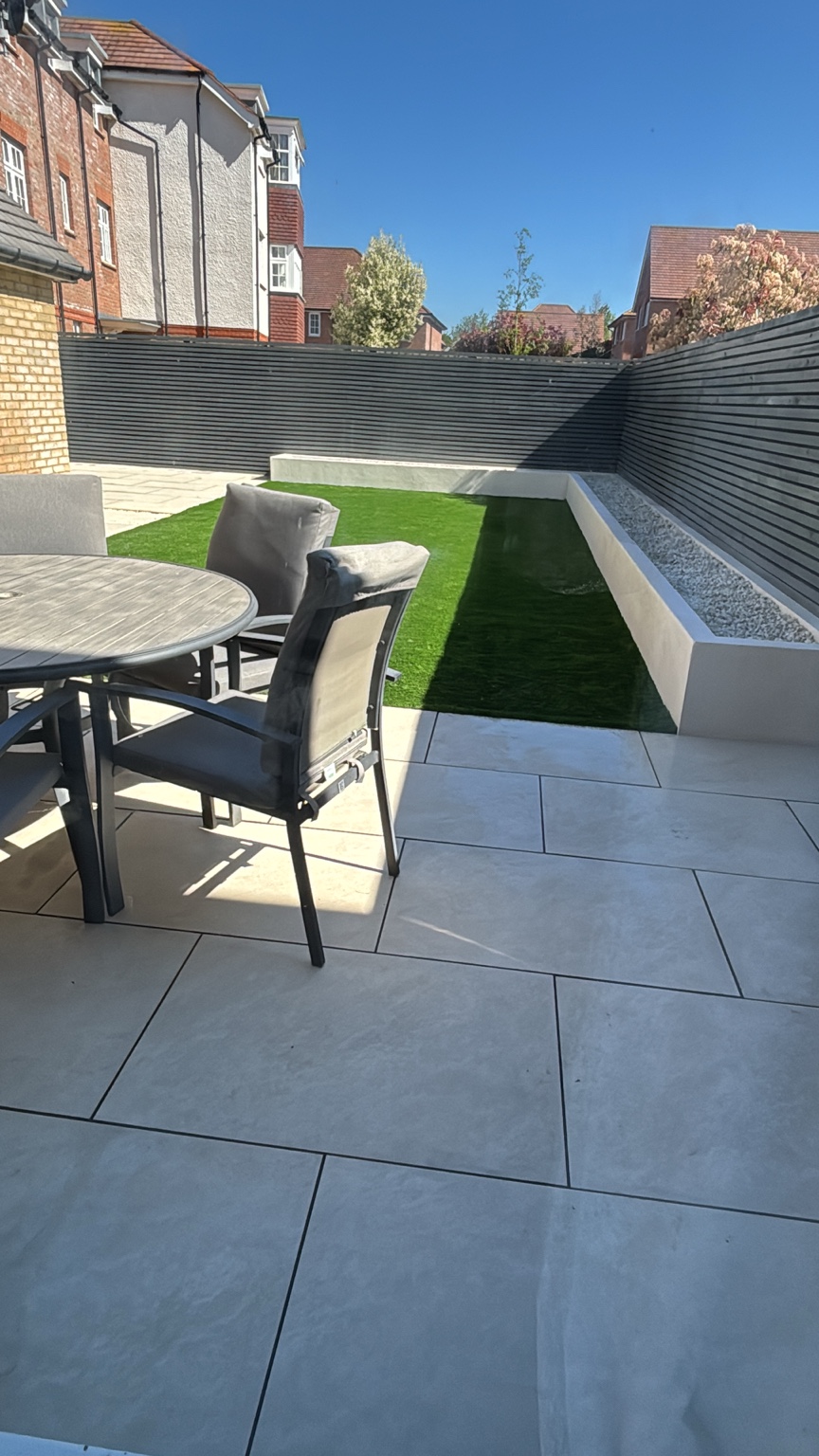
Porcelain patio, raised bed, artificial grass and slatted fencing. See the garden before and after.
View Herne Bay projectSittingbourne
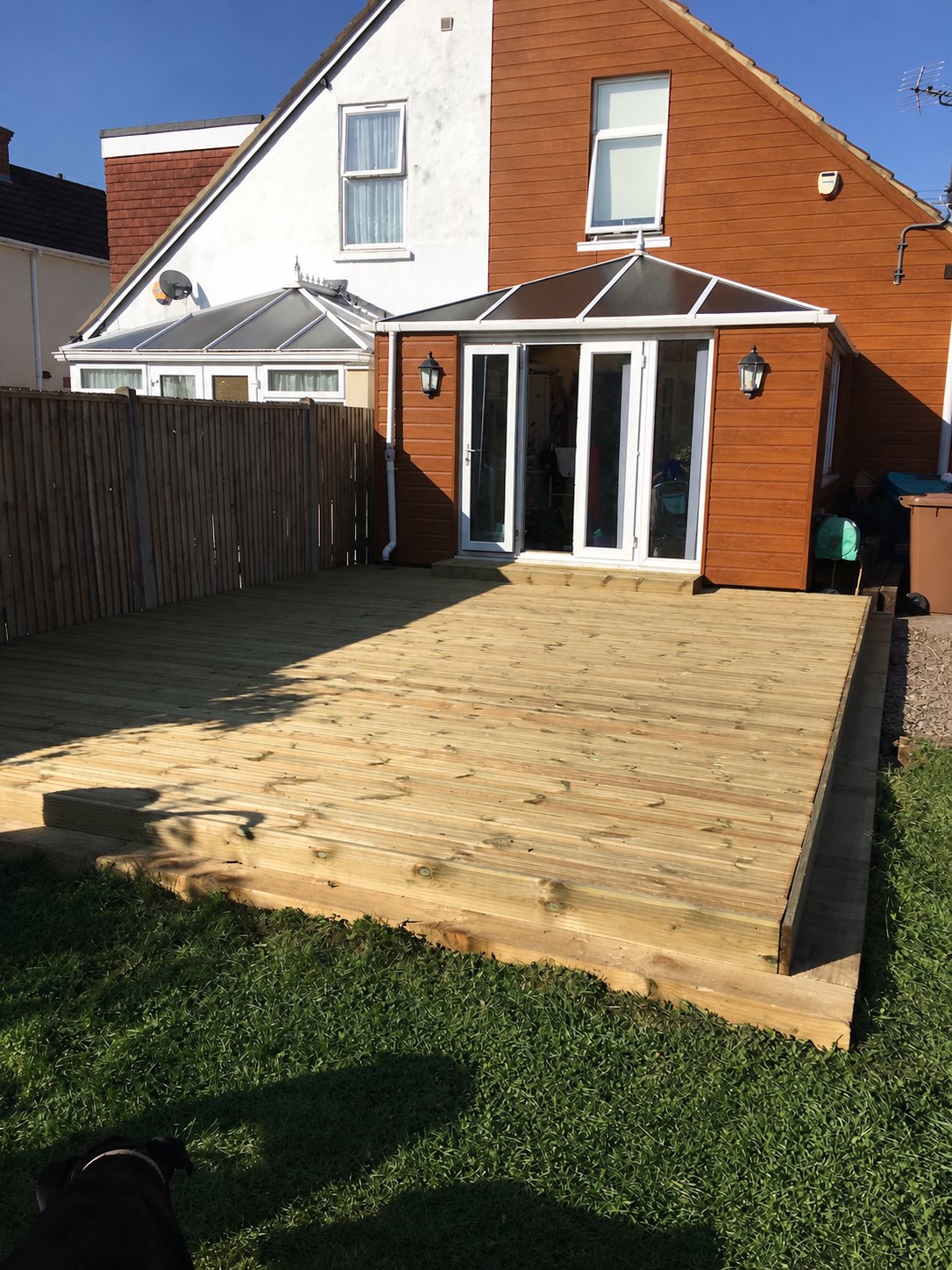
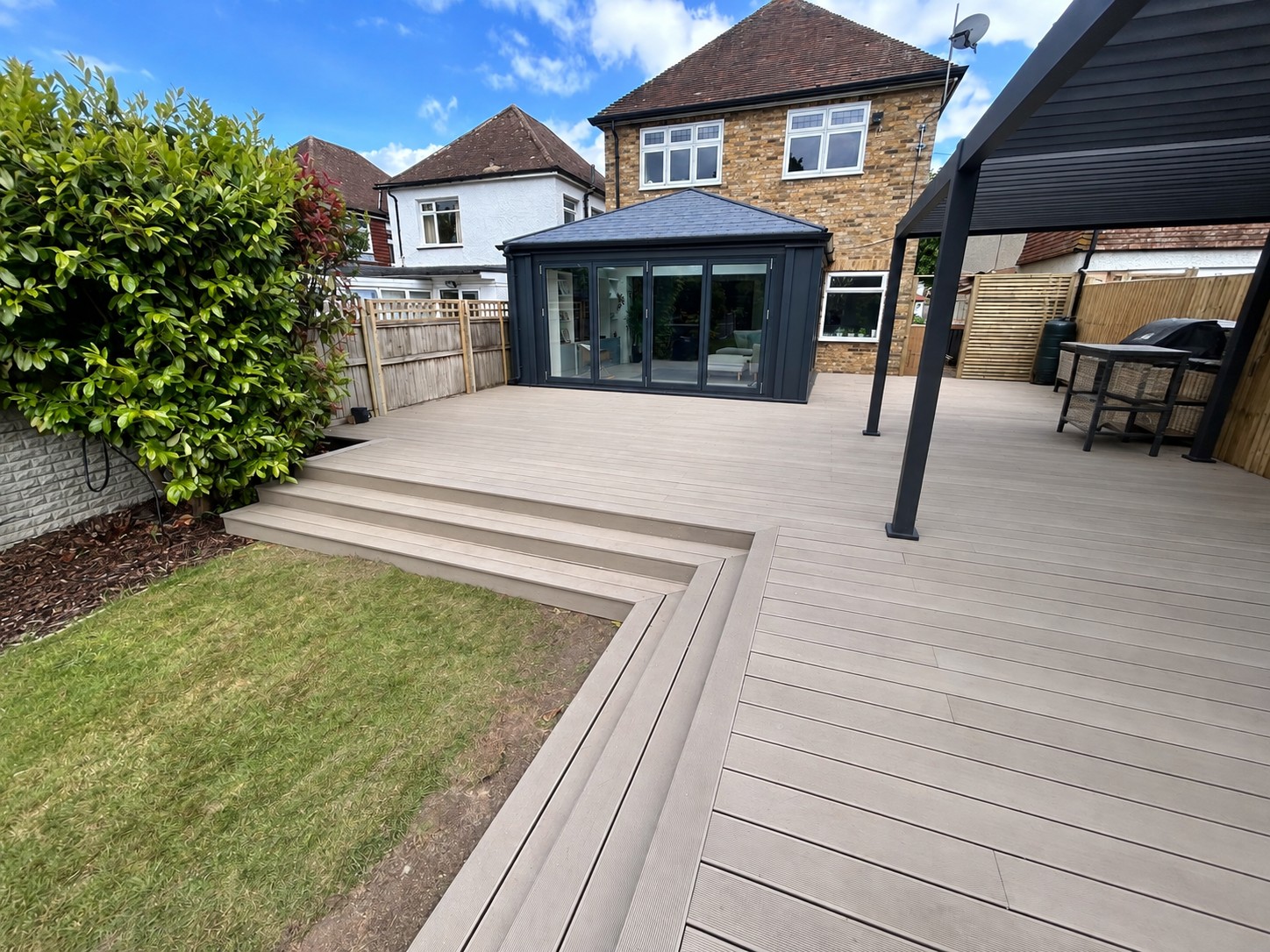
A broad decking terrace with defined board lines and steps connecting the house to the lawn.
View Sittingbourne projectDeal
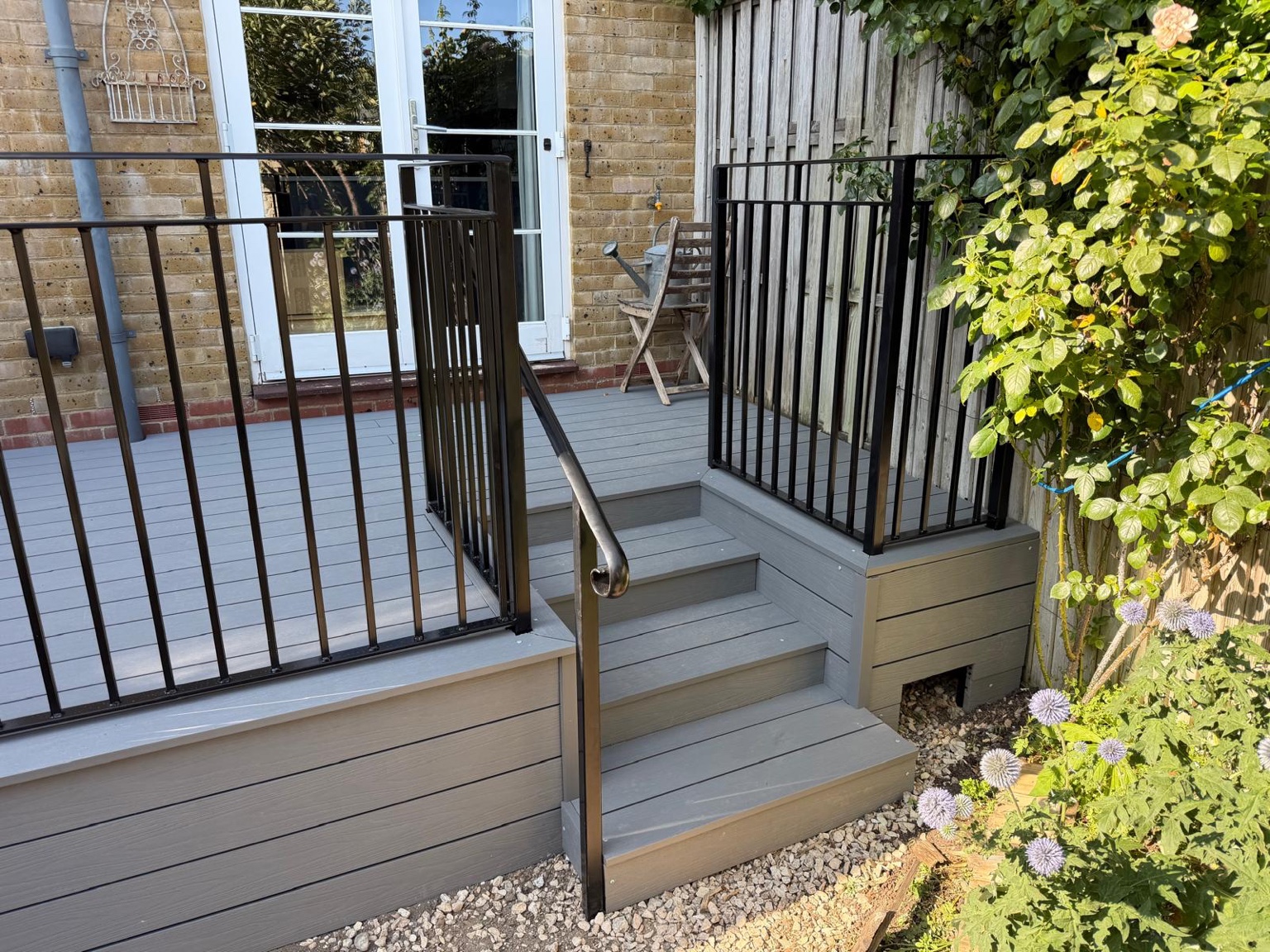
Raised grey decking with black railings, inset steps and a matching handrail.
View Deal project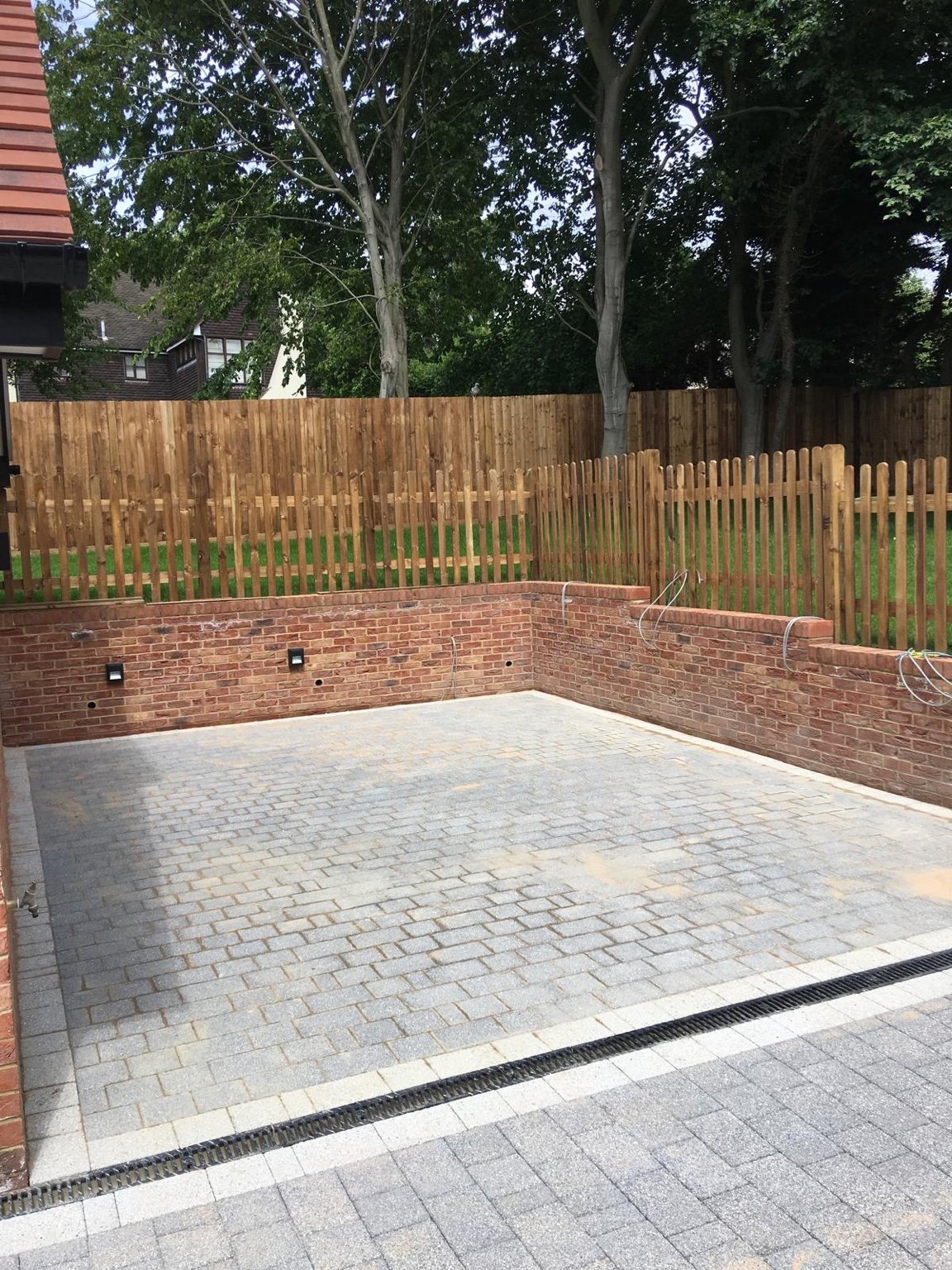
COMPLETED PROJECT · WEST MALLING
Block paving, porcelain patio, brick retaining walls and two styles of timber fencing.
This completed West Malling project illustrates the work shown in the photographs. We can discuss the requirements of your own Canterbury property.
View this project →PLAN YOUR PAVING
Send photographs and approximate dimensions. Include the intended use, your preferred finish and any access or drainage concerns.