Chislehurst
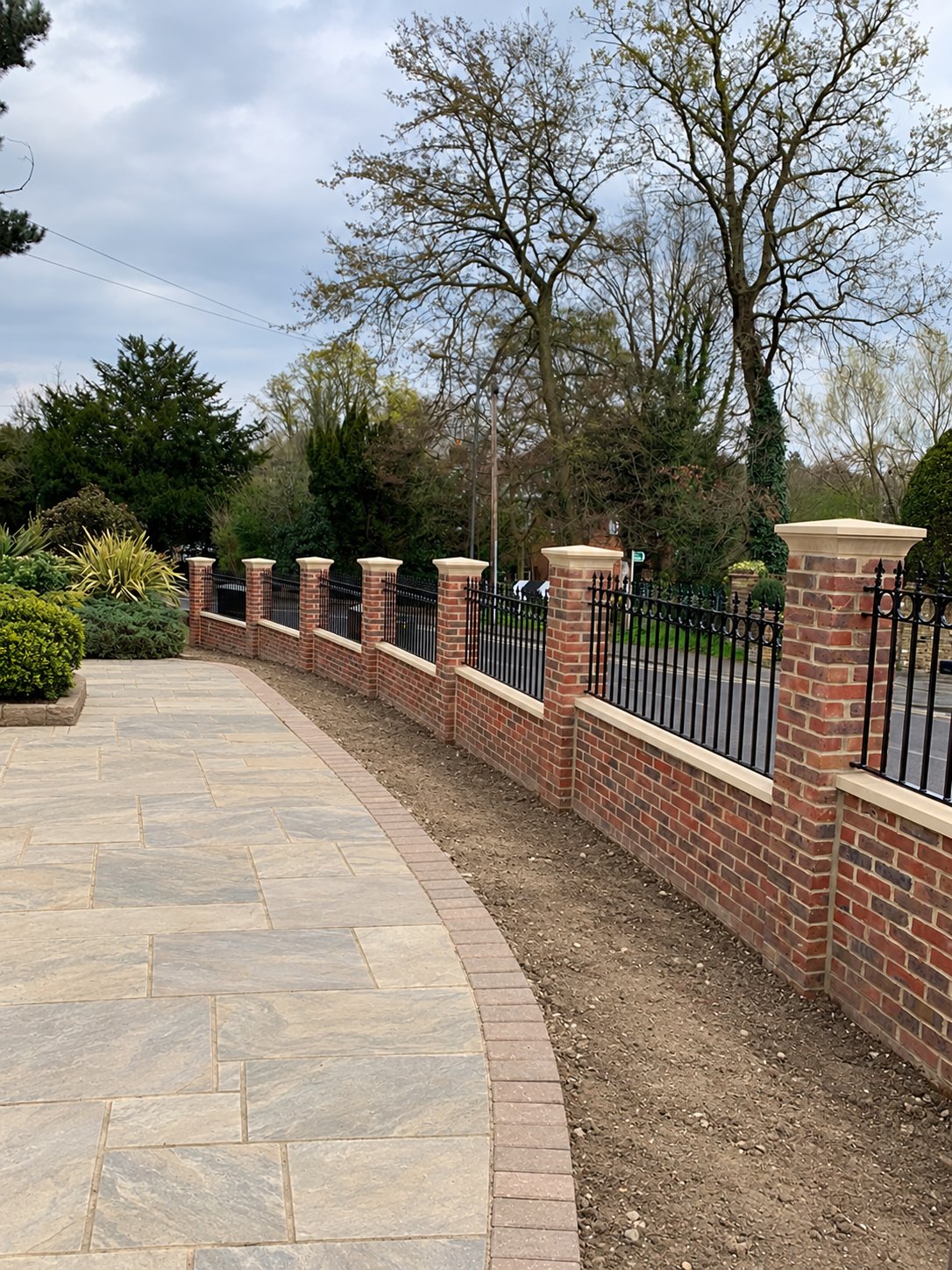
Brick piers, stone coping and railings
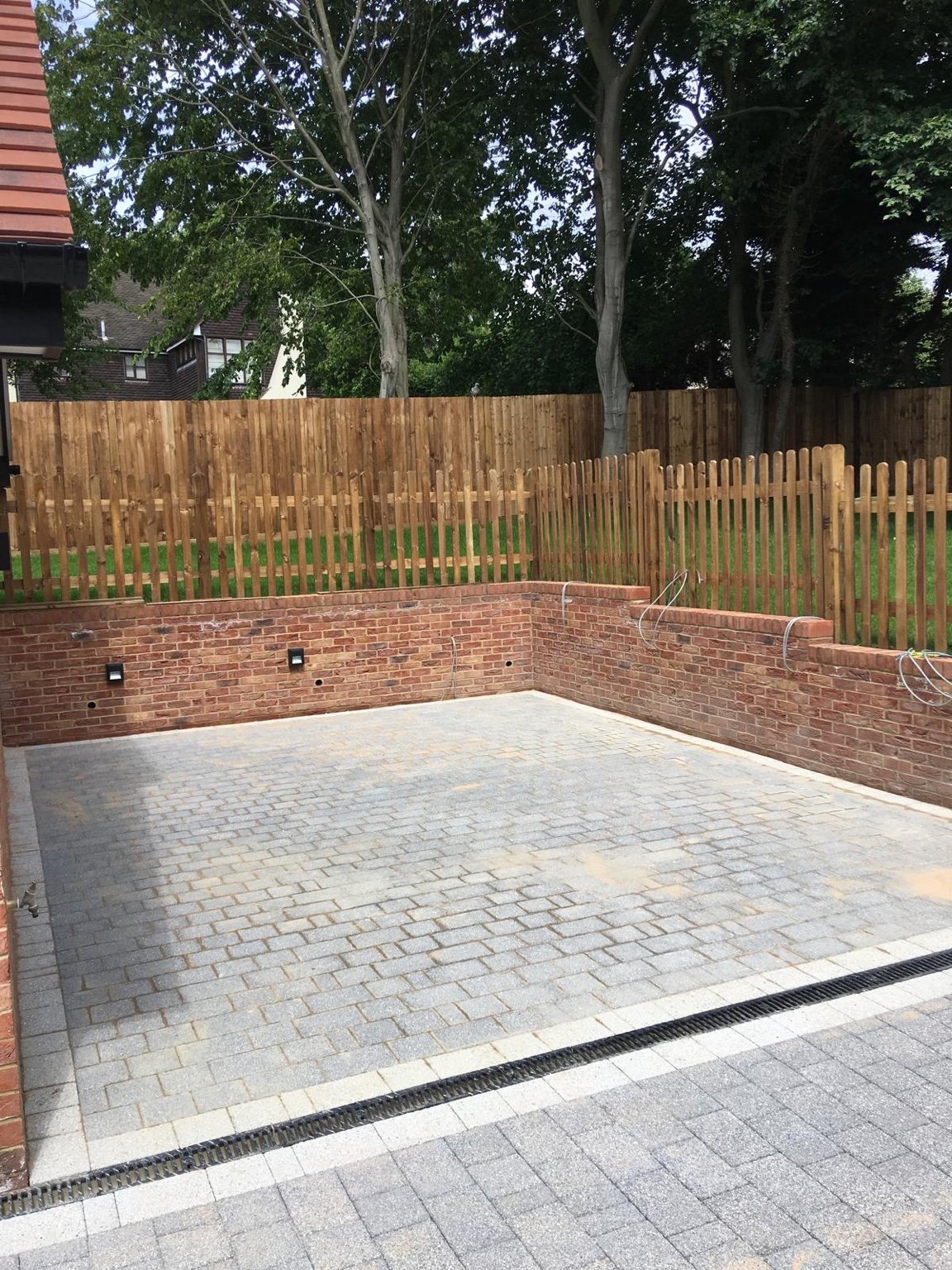
A brick boundary with pale stone coping and pier caps, finished with decorative railing panels.
View Chislehurst projectPATIO DESIGN · PAVING · INSTALLATION
Beautiful, practical patios designed for your home and garden in Birchington-on-Sea, Kent.
Looking to transform your garden with a new patio? At Landscape Gardener of Kent, we provide patio design and installation services in Birchington-on-Sea, helping homeowners create attractive, functional outdoor spaces that suit their property, lifestyle and budget.
Whether you are planning a contemporary porcelain patio, a traditional Indian sandstone terrace or a simple paved seating area, choosing the right materials and preparing the ground correctly are essential to achieving a lasting result.
From compact courtyard gardens to larger family gardens, we can help you plan a patio that makes the most of your available space, complements your home and provides a practical area for relaxing, entertaining or dining outdoors.
Planning a new patio in Birchington-on-Sea? Call 07812 164389 or contact Landscape Gardener of Kent to discuss your project and request a quotation.
A professionally installed patio can completely change how you use your garden. It can provide a comfortable space for garden furniture, create a natural connection between your home and outdoor areas, and make previously underused sections of your garden more accessible.
However, a successful patio involves considerably more than choosing attractive paving slabs.
Ground conditions, drainage, excavation depth, paving thickness, jointing materials and finished levels all need careful consideration. Poor preparation can lead to loose slabs, standing water, uneven surfaces and premature deterioration.
At Landscape Gardener of Kent, we approach patio projects with these practical considerations in mind, helping homeowners select suitable paving and plan installations around the characteristics of their gardens.
Our patio services can include:
Whether you have a particular design in mind or need help exploring your options, we can discuss the possibilities for your outdoor space.
Every garden presents different opportunities and challenges. The best patio design is one that works with the layout of your property rather than simply filling an available area with paving.
For some Birchington homeowners, this might mean a generous terrace immediately outside the back door, creating a convenient space for outdoor dining. For others, a smaller patio positioned towards the end of the garden may provide a more sheltered or private seating area.
When planning a patio, it is worth considering:
Sunlight and shade: Think about when you are most likely to use your patio. A sunny breakfast terrace may need a different position from an evening seating area.
Garden access: Convenient routes between the house, patio, lawn and other garden features make the space easier to use.
Furniture and circulation: Allow enough room for chairs to be pulled out and for people to move comfortably around tables and other furniture.
Privacy and shelter: Fencing, planting and the position of existing buildings can influence how comfortable the patio feels.
Levels and drainage: The finished surface must work with the surrounding ground, door thresholds and drainage arrangements.
Paving appearance: The colour, texture and laying pattern should complement the style of your property.
A well-considered design can make even a relatively small garden feel more organised and inviting.
Porcelain paving is a popular choice for homeowners who prefer clean lines, contemporary finishes and relatively straightforward maintenance.
Outdoor porcelain slabs are manufactured to provide a dense, low-porosity surface, making them less absorbent than many natural stone alternatives.
Available in a wide variety of colours, textures and finishes, porcelain can complement modern extensions, traditional brick properties and newly landscaped gardens.
For outdoor installations, it is important to select porcelain paving specifically manufactured for external use, with an appropriate slip-resistance rating.
Porcelain also requires suitable installation methods, including an appropriate bedding system and bonding slurry or primer where specified by the manufacturer.
We can discuss porcelain paving options and help you consider whether this material is suitable for your garden.
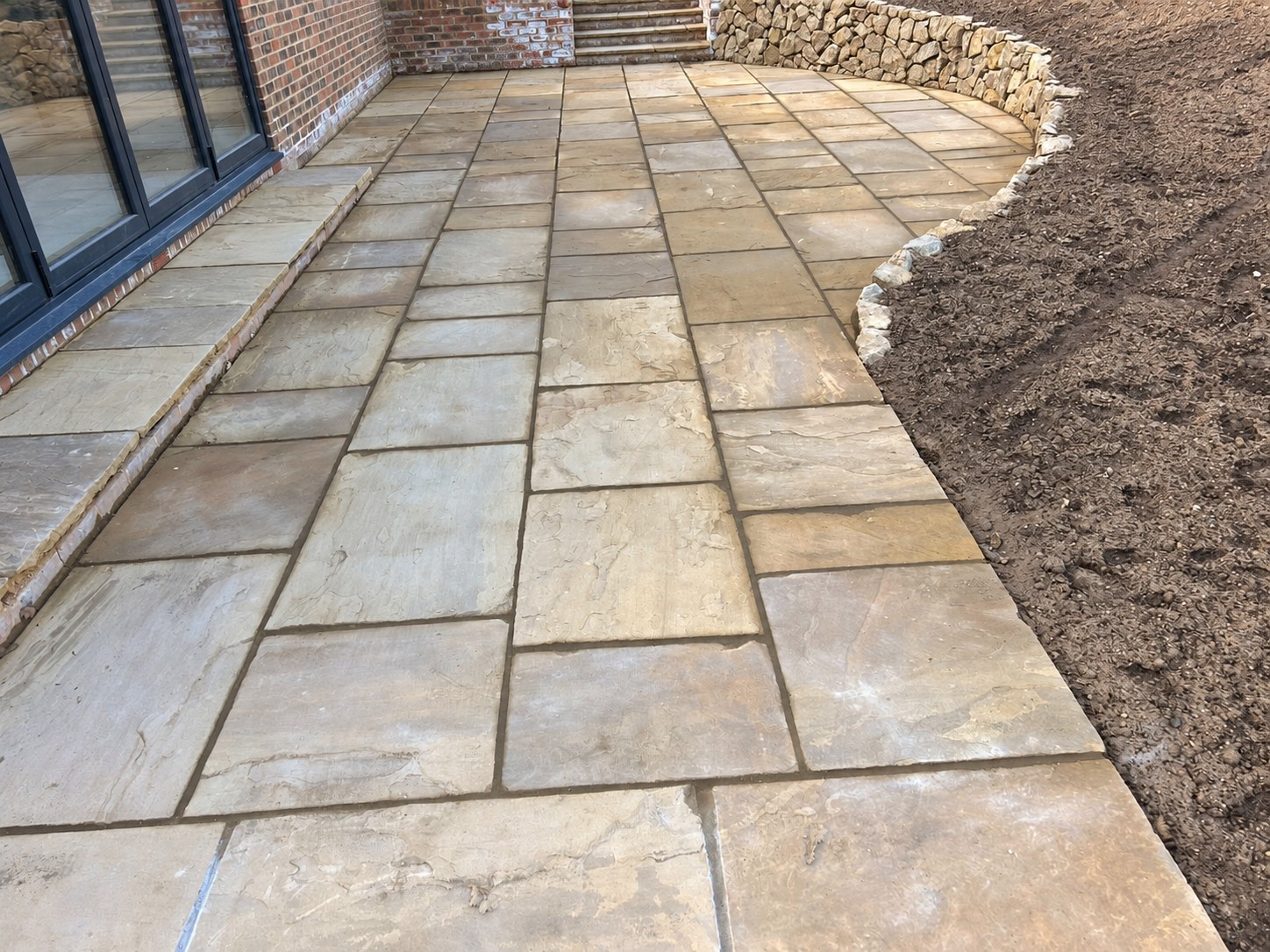
Indian sandstone remains a popular option for traditional and contemporary gardens because of its natural variation in colour, texture and appearance.
Unlike manufactured paving, individual sandstone slabs can display subtle differences in tone and pattern. These variations help create an informal, characterful finish.
Sandstone can work particularly well alongside established planting, brick garden walls, timber fencing and traditional Kent properties.
Indian sandstone offers:
Popular finishes include mixed-size paving arrangements and more uniform slab layouts.
As a natural material, sandstone requires appropriate cleaning and maintenance. Its porosity, finish and exposure can affect how readily it develops staining or biological growth.
We can help you compare sandstone with alternative paving materials before deciding which is most appropriate for your patio.
Porcelain and Indian sandstone are not the only options available when planning a new patio.
Limestone can provide a refined, understated appearance, particularly in gardens where a consistent, muted colour scheme is preferred.
Different limestone products vary in density, porosity and surface finish, so choosing paving suitable for external use is essential.
Modern concrete paving is available in a broad range of sizes, textures and colours.
It can provide a practical solution for garden seating areas, paths and larger paved spaces, particularly where the homeowner wants a defined appearance without choosing natural stone.
Contrasting paving borders, brick edging and carefully positioned steps can help define the shape of a patio and create a more finished appearance.
The right combination depends on your property’s architecture, the surrounding landscaping and the intended use of the space.
Birchington-on-Sea has a distinctive coastal setting, with residential areas extending towards Minnis Bay and the surrounding Thanet coastline.
For homeowners in more exposed locations, it is worth considering how wind, salt-laden air and changing weather conditions may influence the choice of patio materials, furniture and surrounding landscaping.
A patio near the coast does not necessarily require a different style of paving, but material suitability and correct installation remain important.
Outdoor paving should be appropriate for the intended use and exposure conditions. Surface texture, water absorption, slip resistance and manufacturer guidance all deserve consideration.
Rainwater needs somewhere suitable to go. A patio should be laid with appropriate falls and drainage arrangements, without directing water towards the house or neighbouring properties.
In exposed gardens, the position of the patio can be just as important as its construction.
Existing walls, fences, buildings and planting may provide opportunities to create a more comfortable outdoor seating space.
Coastal exposure, shade and moisture can influence the frequency of cleaning needed to keep paving looking its best.
Selecting appropriate materials and planning sensible maintenance from the outset can help protect the appearance of your patio.
Whether your property is close to Minnis Bay or further inland within Birchington, the design should reflect the actual conditions of your garden.
Understanding how a patio is constructed can help you make informed decisions before work begins.
Although the precise installation method depends on the paving material and site conditions, a typical patio project involves several important stages.
The first stage is to establish what you want from your new patio.
We can discuss the proposed size, preferred materials, garden access, existing levels and any features you would like to incorporate.
This is also an opportunity to identify practical considerations that could affect the design or installation.
Once the intended use and available space are understood, the patio layout and paving materials can be considered.
Important decisions include slab dimensions, laying patterns, edging details, steps and the relationship between the patio and the surrounding garden.
The existing surface and unsuitable material are removed to the required depth.
Excavation requirements depend on the ground conditions, expected use, proposed construction and finished levels.
A suitable compacted sub-base provides support beneath the patio construction.
The type and depth of sub-base should be determined by the site conditions and intended loading rather than using the same specification for every garden.
Paving is installed using a bedding and bonding method appropriate to the selected product.
Levels, alignment, spacing and falls need to be checked throughout installation.
Once the paving has been laid and the bedding has reached the appropriate condition, the joints can be completed using a compatible material.
Edges, steps and transitions to other garden surfaces are finished as required.
The completed patio should be checked for surface levels, drainage, jointing and overall finish.
Homeowners should also understand the recommended cleaning and maintenance methods for their chosen paving.
Careful attention to each stage helps create a patio that is both attractive and practical.
The cost of a new patio depends on several factors, and two patios of the same size can have very different installation requirements.
The most significant considerations typically include:
Porcelain paving can cost more to install than some sandstone products because of material prices, cutting requirements and installation methods.
However, prices vary significantly between individual products, so it is best to compare specific paving choices rather than assume one material will always be cheaper.
A straightforward layout, accessible garden and carefully selected paving can help control costs.
It is generally better to simplify the design or select a more economical paving product than compromise on essential groundwork.
For an accurate price, contact Landscape Gardener of Kent to discuss the dimensions, materials and conditions of your proposed patio.
An existing patio may eventually become unsuitable because of movement, deteriorating joints, damaged paving or changes in how the garden is used.
Some problems can be addressed through individual repairs. Others may indicate issues with the underlying construction.
Common signs that a patio needs attention include:
Before replacing an existing patio, it is important to understand why the original surface has deteriorated.
Simply laying new paving over a defective surface may leave the underlying problems unresolved.
A replacement patio also provides an opportunity to improve the layout, update the materials and address drainage or access issues.
A patio often works best when it is planned as part of the wider garden rather than treated as an isolated feature.
Connecting the patio to other outdoor areas can make the whole space feel more coherent.
Depending on the project, complementary improvements might include garden pathways, new lawn areas, decorative borders, retaining features, steps or fencing.
For example, a paved terrace outside the house can connect to a lawn through a carefully positioned step, while a matching pathway can lead towards a garden shed, seating area or side gate.
If you are planning several improvements together, coordinating the layout and levels at the design stage can help avoid unnecessary alterations later.
Landscape Gardener of Kent also provides wider landscaping services, making it possible to discuss patio installation alongside other garden improvements.
We provide patio and garden landscaping services for homeowners in Birchington-on-Sea and the surrounding area.
Local enquiries may include properties in central Birchington, Minnis Bay, Acol and nearby parts of Thanet, subject to project requirements and availability.
Gardens across the area vary considerably, from compact enclosed spaces to larger established plots.
The appropriate patio design will depend on each property’s layout, exposure, access and existing landscaping.
Whether you are replacing a tired paved area or creating a completely new outdoor seating space, we can discuss your requirements and help you explore suitable options.
Patio installation costs depend on the size of the area, paving material, groundwork, access and any additional features. An accurate quotation requires an assessment of the proposed work rather than relying on a single square-metre price.
A 25m² patio can vary considerably in price depending on whether you choose concrete paving, Indian sandstone, porcelain or another material. Excavation, drainage, edging and removal of existing surfaces can also affect the total. A site-specific quotation is the most reliable way to establish the cost.
There is no single best material for every garden. Porcelain is often chosen for its contemporary appearance and low water absorption, while sandstone offers natural colour variation. Concrete paving can provide a practical alternative. The best choice depends on your budget, preferred appearance and maintenance expectations.
Installation time depends on the patio’s size, ground conditions, access, design complexity and weather. A small, straightforward patio may take several working days, while larger projects involving extensive groundwork, drainage or steps can take longer.
Many domestic garden patios do not require planning permission, but this depends on the circumstances. Raised platforms, significant alterations to ground levels, listed buildings and certain property restrictions may require additional checks. It is advisable to confirm the requirements with the relevant local planning authority before work begins.
Yes, but changes in ground level need to be addressed in the design and construction. Depending on the site, this may involve excavation, steps, retaining structures or a combination of approaches. Drainage and safe access must also be considered.
In some circumstances, an existing surface may appear suitable for overlaying, but this should not be assumed. Its structural condition, levels, drainage and relationship to damp-proof courses all need assessing. Removing defective paving and preparing a suitable base is often the more dependable approach.
Slip resistance depends on the specific product and its surface finish. Outdoor porcelain paving should be selected with an appropriate slip-resistance classification for its intended use. All external paving requires sensible maintenance, particularly where algae or other surface contamination develops.
Porcelain is often a practical low-maintenance option because its dense surface absorbs relatively little water. However, every patio needs occasional cleaning, and shaded or damp areas may require more frequent attention.
Patios can be installed at different times of year, provided the weather and ground conditions are suitable for the required construction methods. Heavy rain, frost and unsuitable temperatures can affect groundwork, bedding and jointing, so scheduling should allow for these conditions.
Appropriate jointing, a stable installation and regular maintenance can reduce weed growth. Wind-blown seeds may still germinate in debris that accumulates on the surface, so occasional cleaning remains important.
Landscape Gardener of Kent provides a range of landscaping services, including fencing, decking, turfing and other garden improvements. If you are planning a wider garden renovation, mention this when requesting your patio quotation.
MORE IN BIRCHINGTON-ON-SEA
Explore the other work available in Birchington-on-Sea.
A new patio is an opportunity to make your garden more comfortable, attractive and useful throughout the year.
Whether you prefer the clean appearance of porcelain, the natural character of sandstone or a practical paved seating area, the right combination of design, materials and groundwork makes all the difference.
At Landscape Gardener of Kent, we can discuss your ideas, help you consider suitable paving options and provide a quotation based on your garden and project requirements.
Contact Landscape Gardener of Kent today to discuss your patio installation in Birchington-on-Sea.
Call: 07812 164389
Email: landscapegardenerofkent@gmail.com
Alternatively, complete our online enquiry form with details of your garden, preferred paving and proposed patio size.
Landscape Gardener of Kent – Patio design, paving and garden landscaping services in Birchington-on-Sea and across Kent.
Explore patio installation services across Kent, garden fencing, garden decking and new lawn installation.
OUR WORK · KENT
Chislehurst
A brick boundary with pale stone coping and pier caps, finished with decorative railing panels.
View Chislehurst projectSt Margaret’s Bay
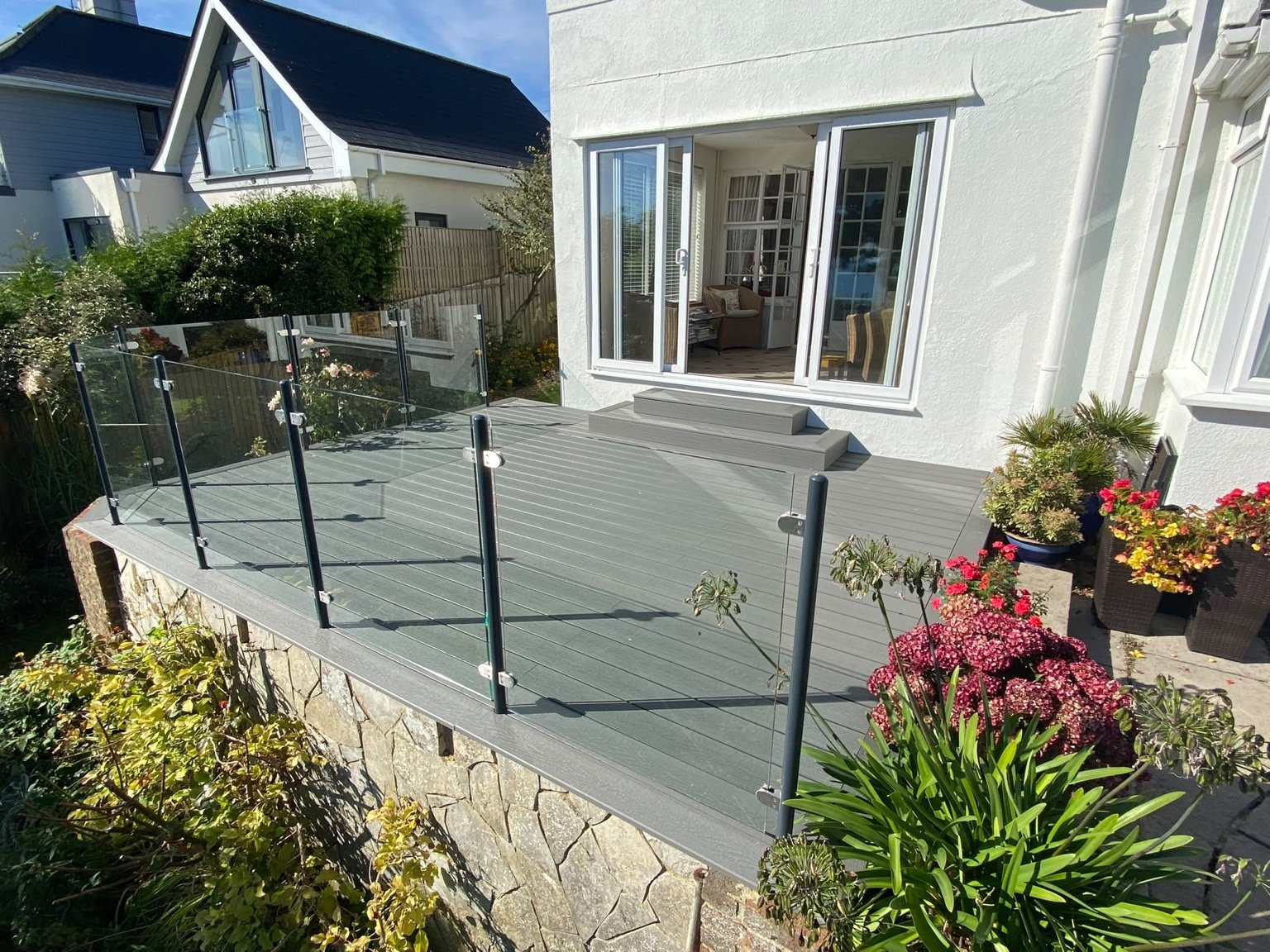
Grey composite decking, glass panels, powder-coated steel posts and matching steps.
View St Margaret’s Bay projectFolkestone
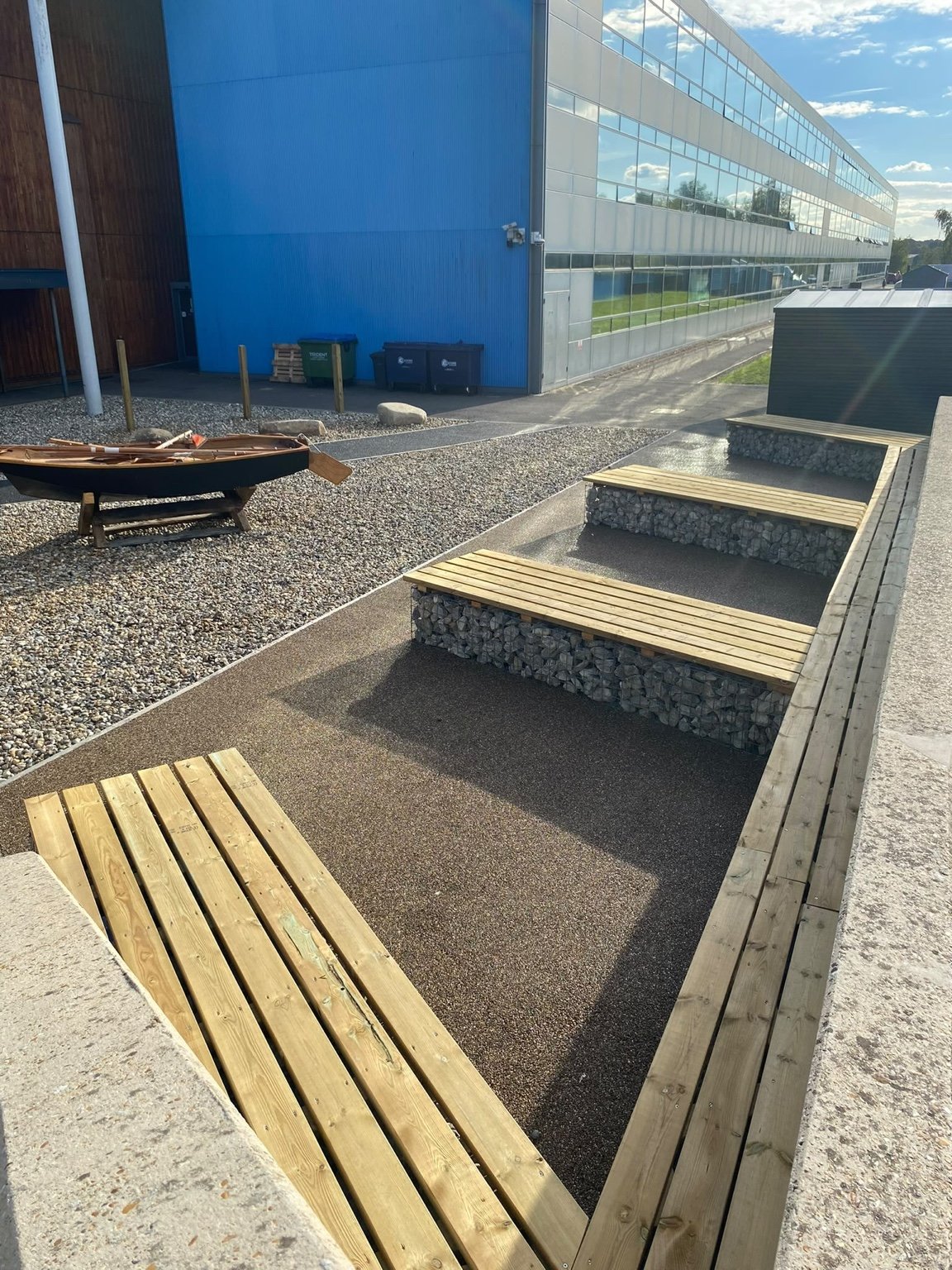
Timber-topped gabion benches, resin-bonded surfacing, shingle and a boat feature at the academy entrance.
View Folkestone projectCanterbury
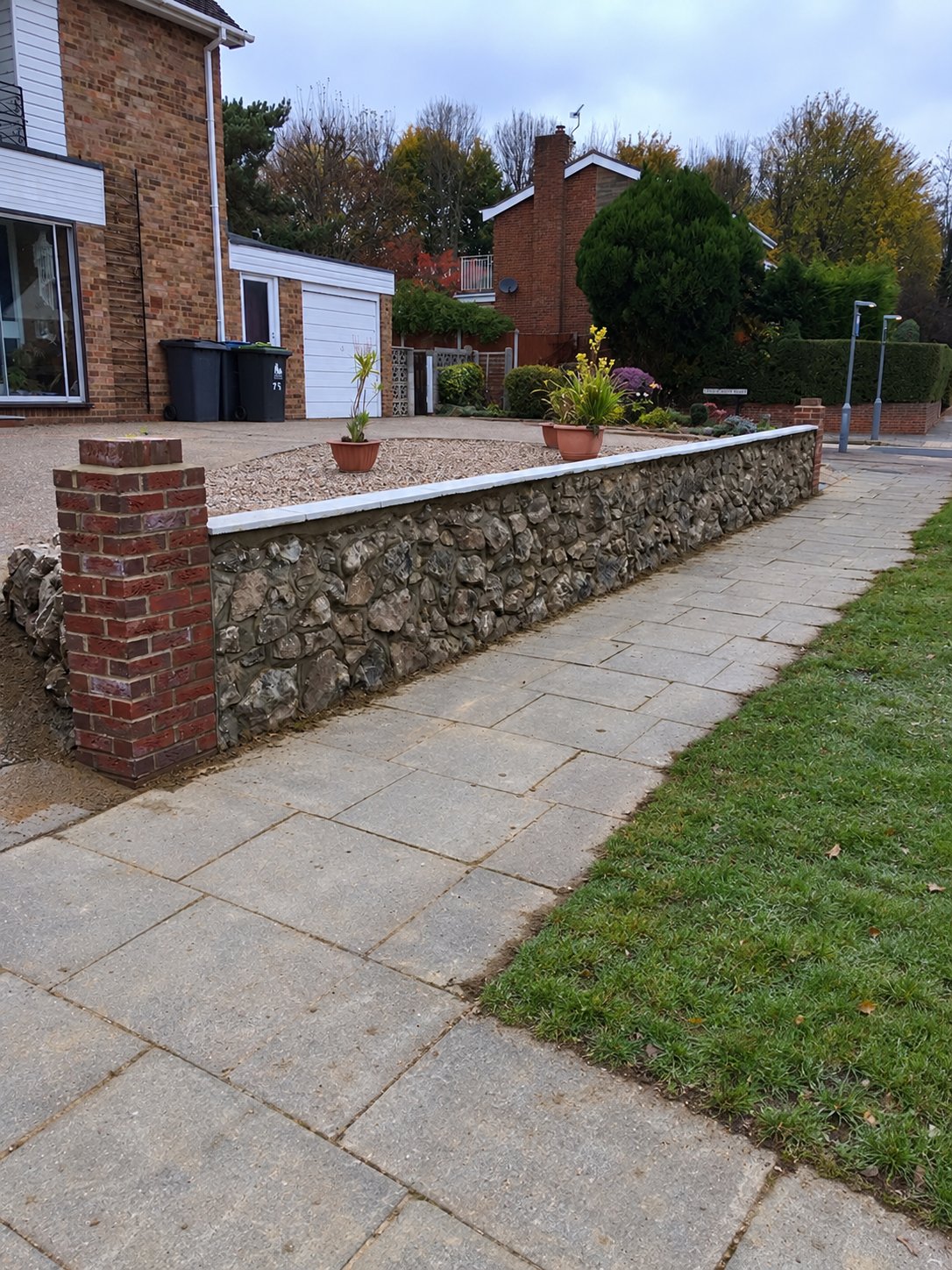
The stones from a customer’s late husband’s rockery kept and reused in a new front wall.
View Canterbury projectCanterbury
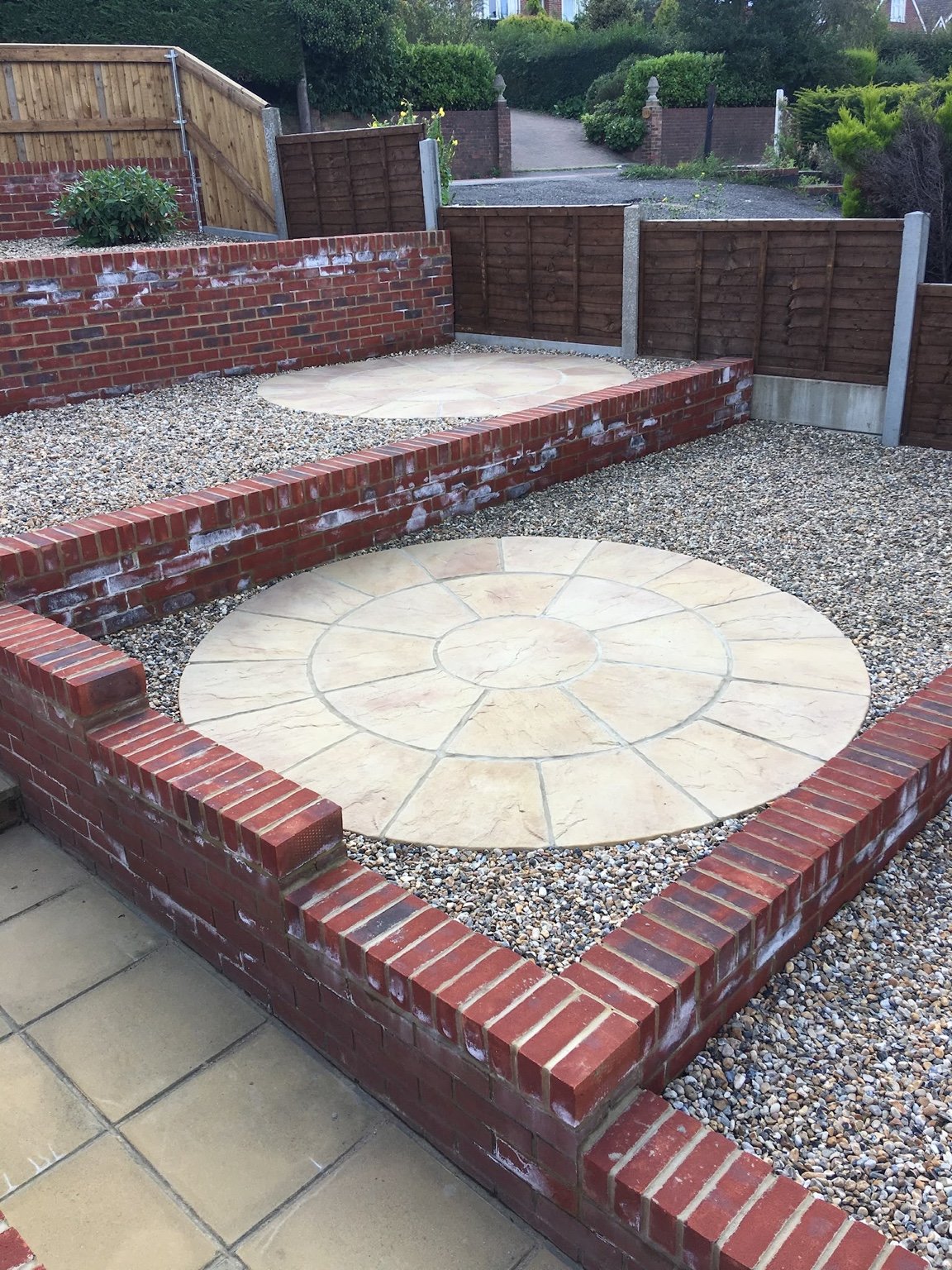
Retaining walls, shingle infill and riven buff slab circles across connected garden levels.
View Canterbury projectAshford
Before, during and after a timber decking replacement, from the old deck to the finished terrace.
View Ashford projectBorough Green
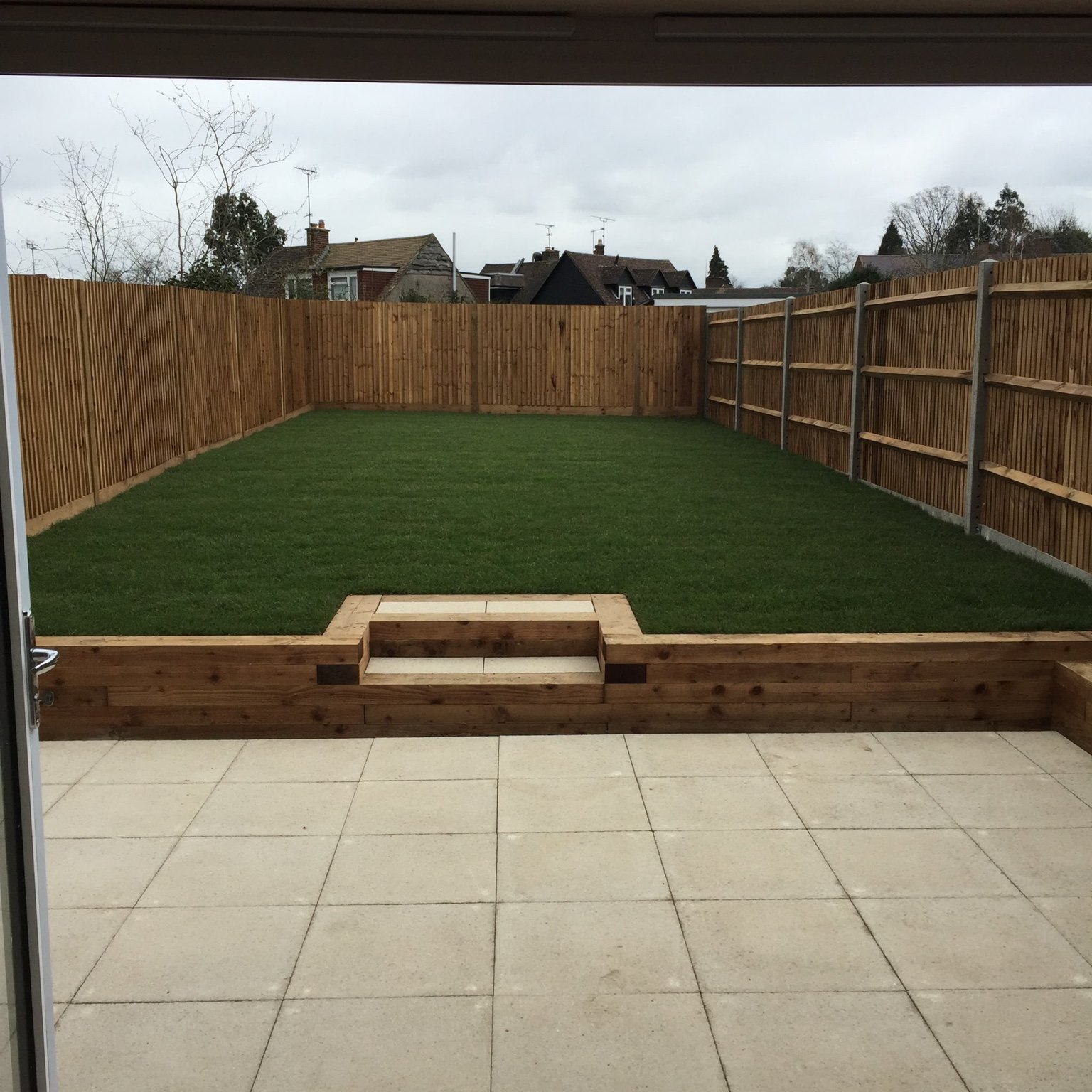
1800mm closeboard fencing, softwood sleeper planters, a 450mm buff slab patio and new turf.
View Borough Green projectCanterbury
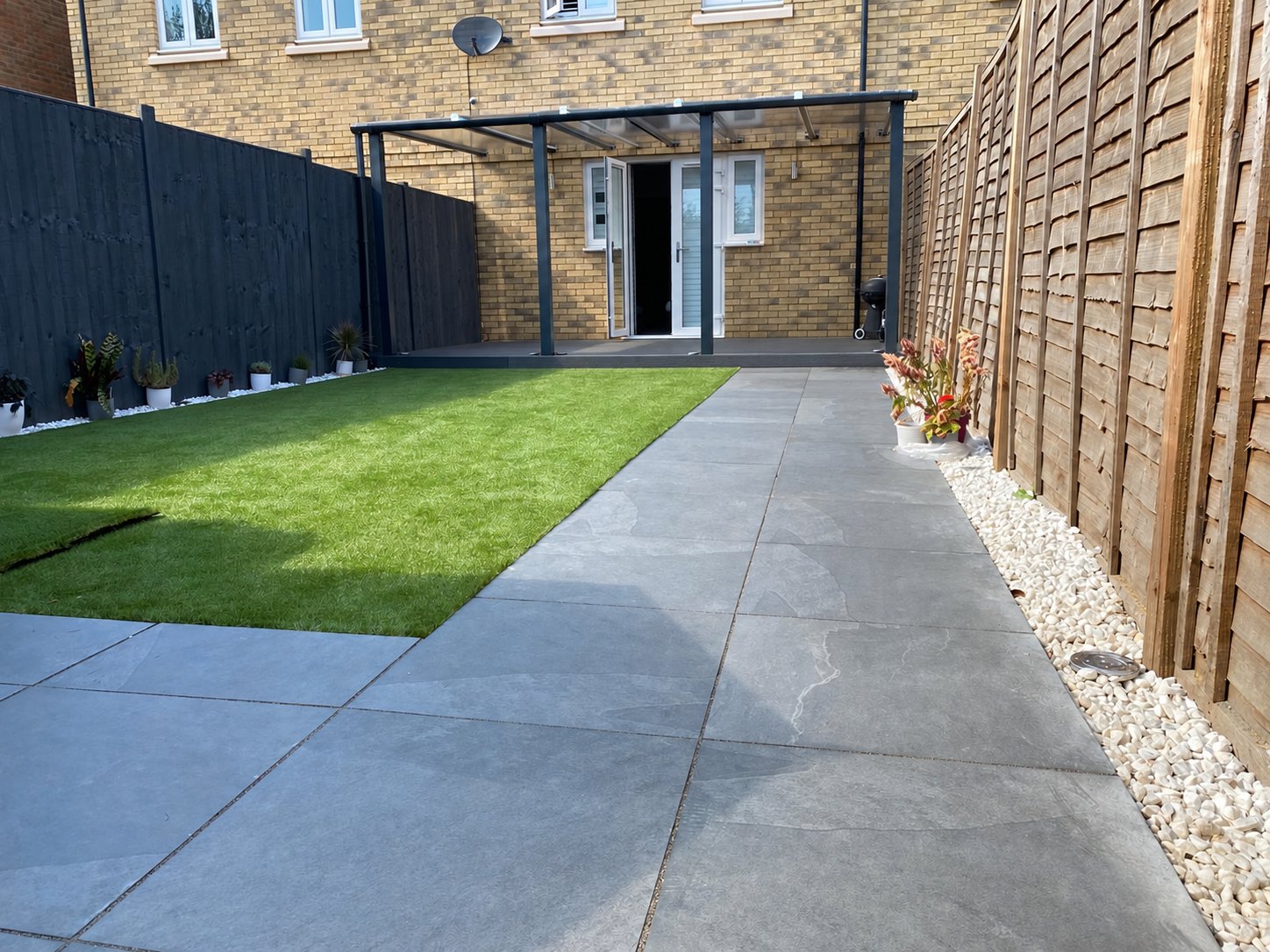
Porcelain paving, artificial grass and a custom steel-frame pergola with polycarbonate roof.
View Canterbury projectStrood
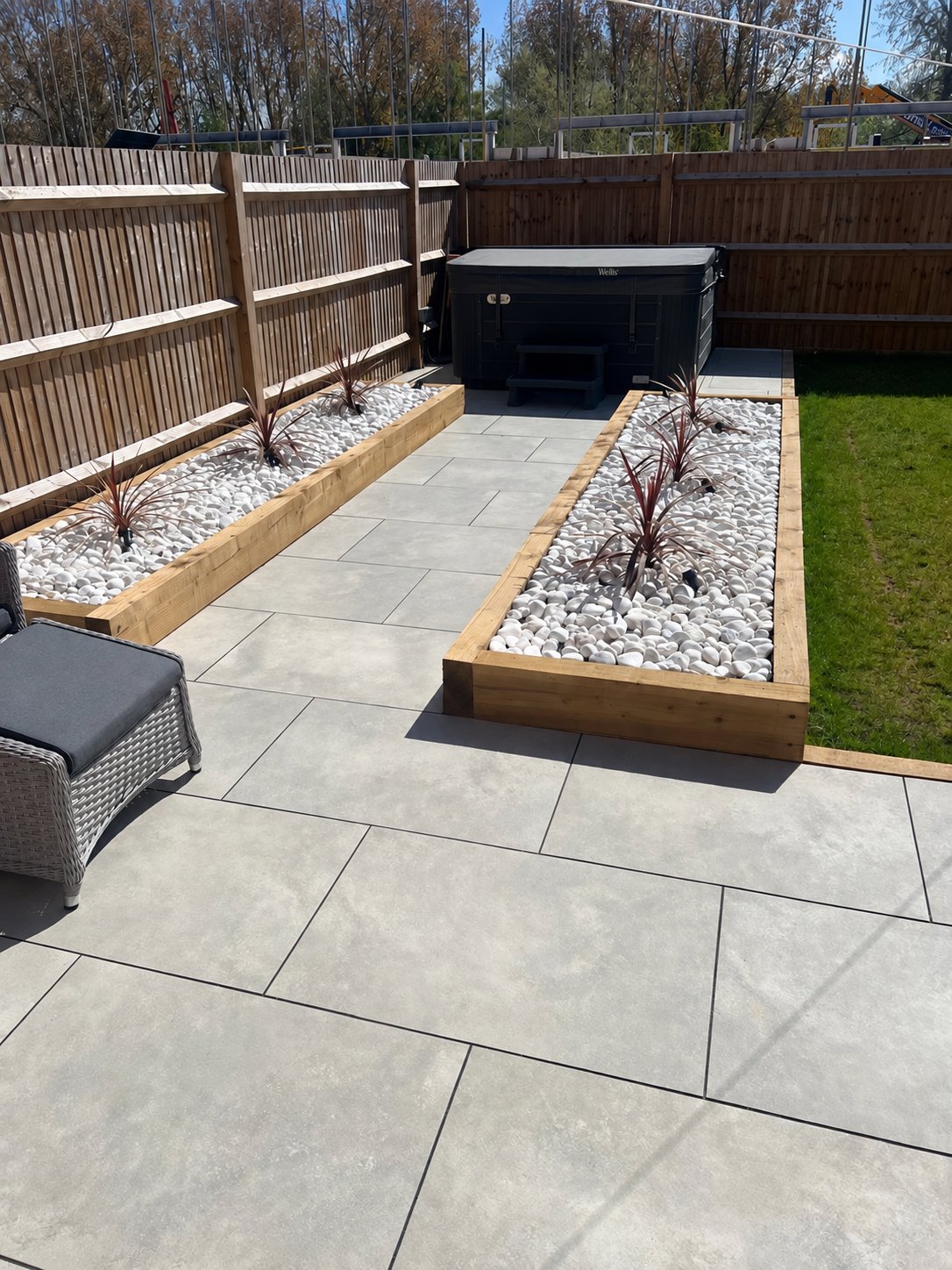
Grey porcelain paving framed by timber sleeper planters, white decorative stones and planting.
View Strood projectWest Malling
Block paving, porcelain patio, brick retaining walls and two styles of timber fencing.
View West Malling projectAshford
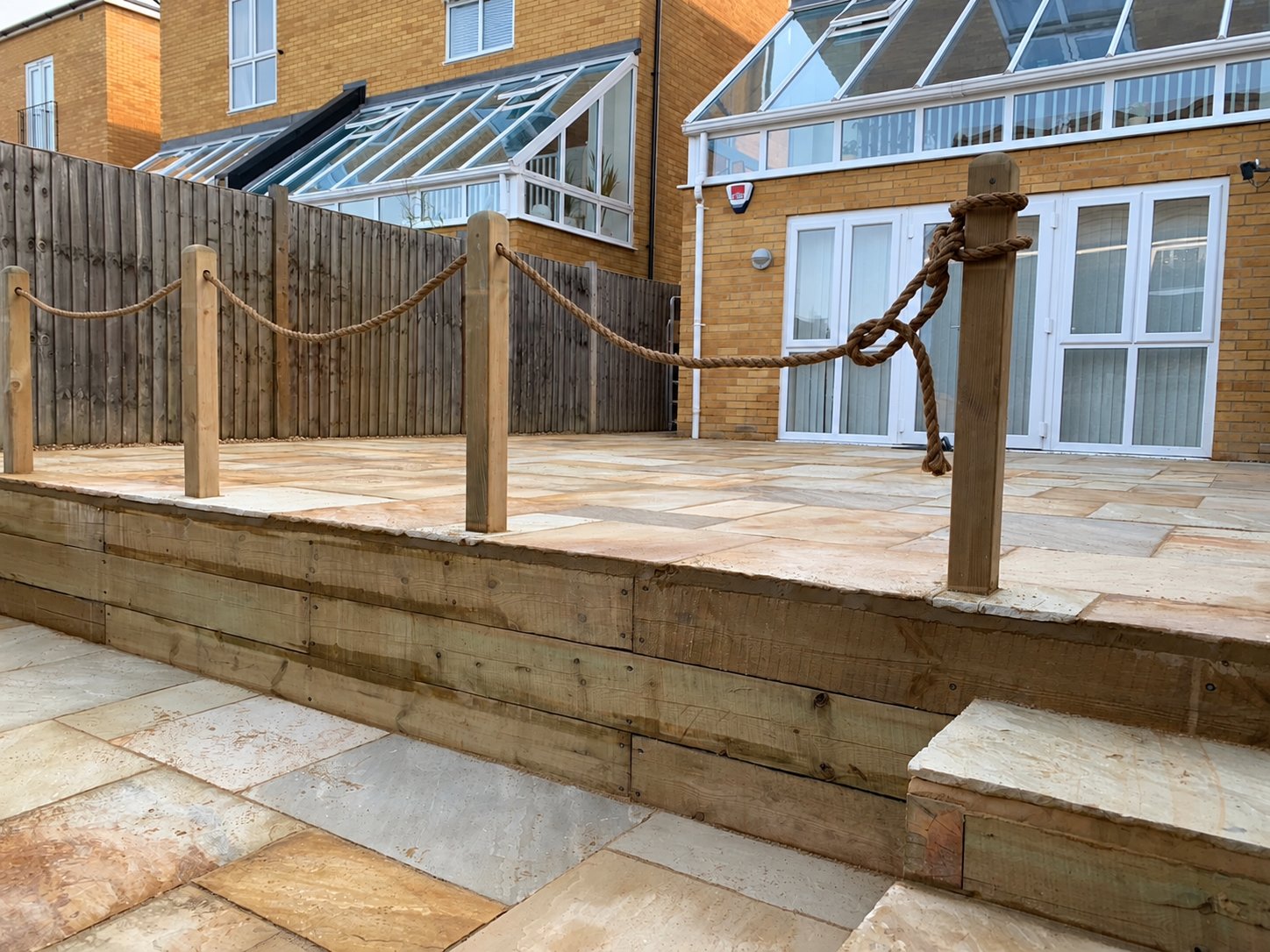
Sandstone paving across two levels, with timber sleeper retaining walls.
View Ashford projectDeal
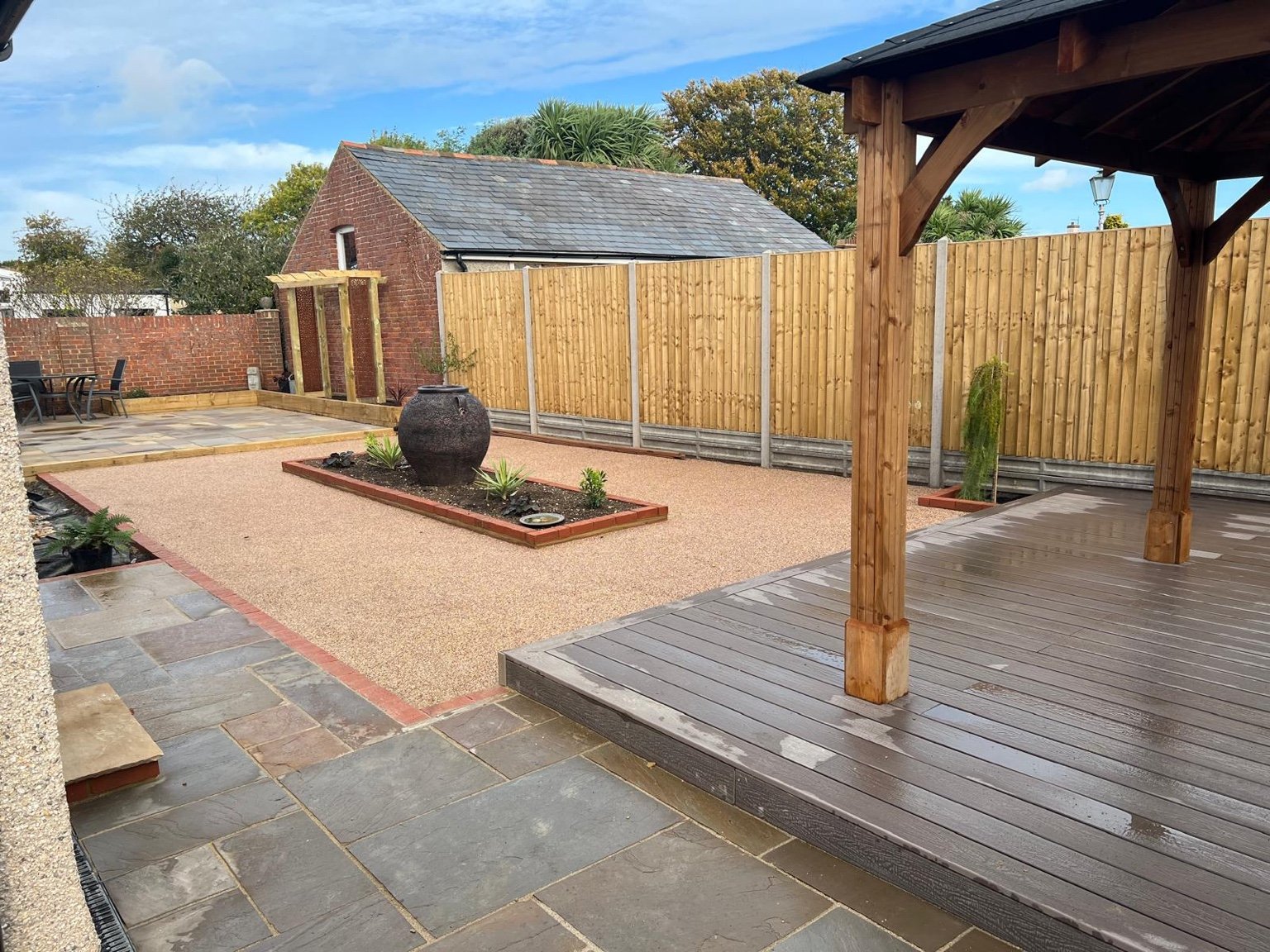
A sandstone patio, ash-coloured composite decking, pitched-roof pergola and sleeper planters.
View Deal projectSevenoaks
75mm thick York stone paving, curved paths, brick walls and Kentish ragstone walls.
View Sevenoaks projectHerne Bay
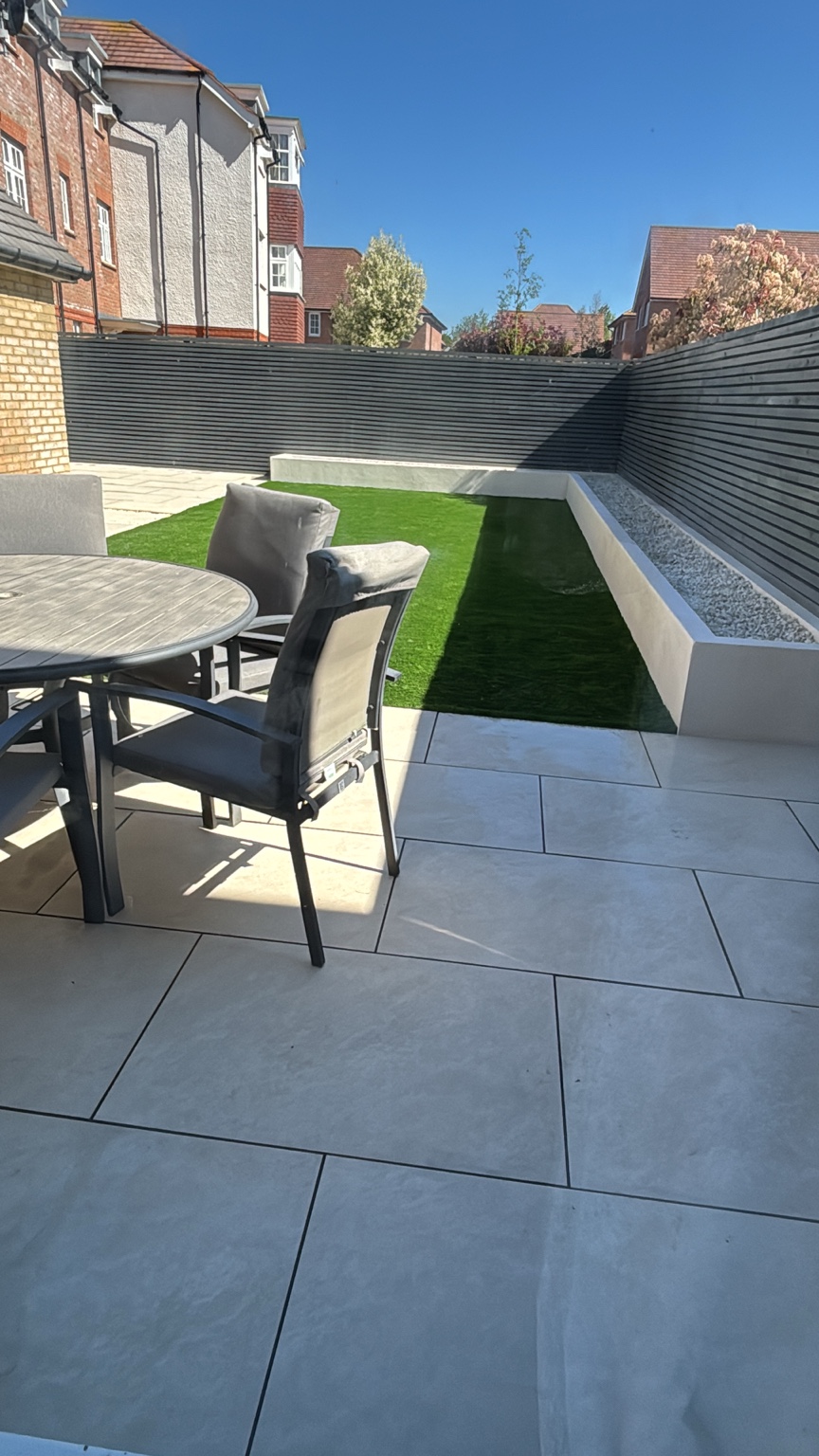
Porcelain patio, raised bed, artificial grass and slatted fencing. See the garden before and after.
View Herne Bay projectSittingbourne
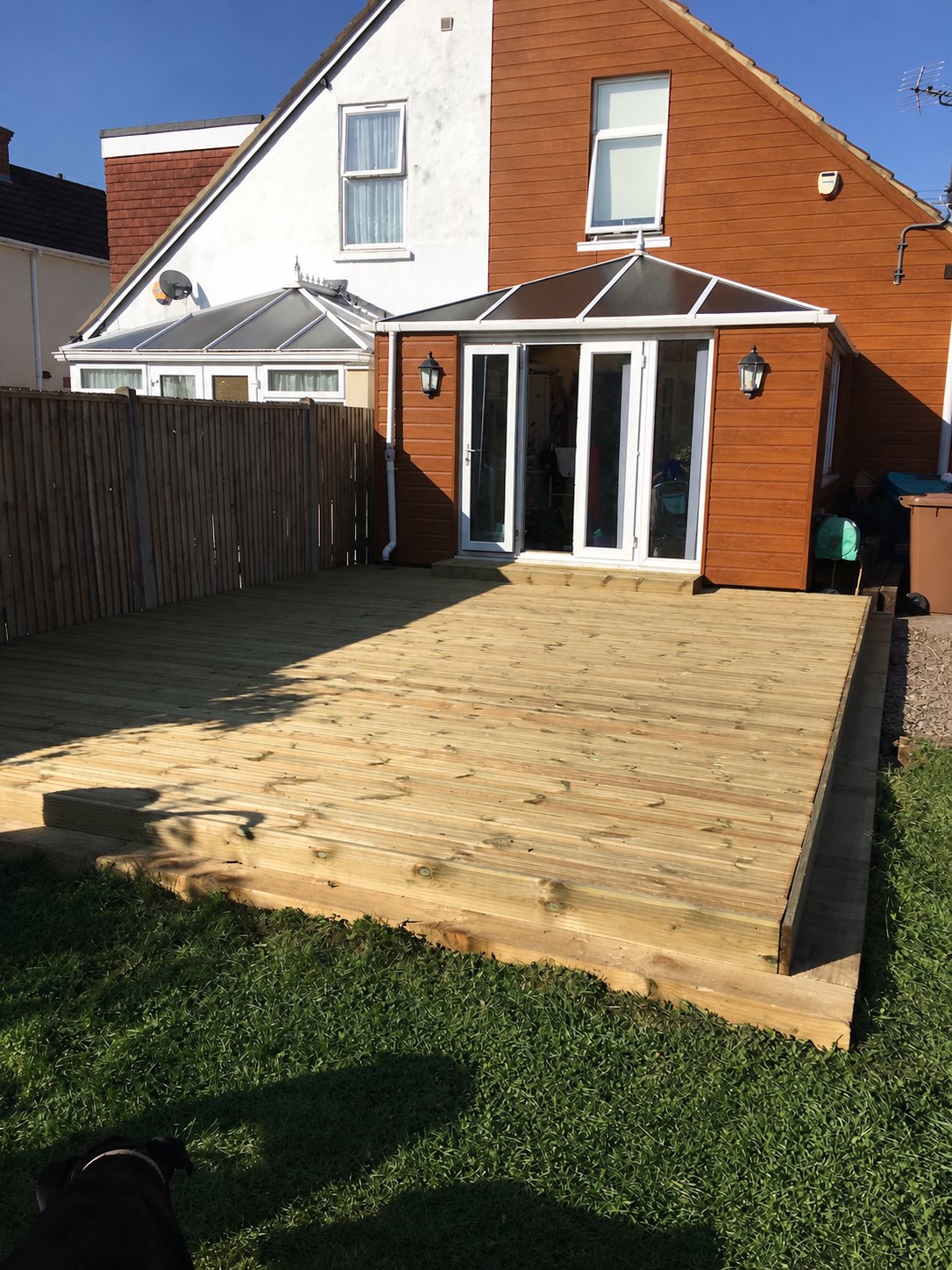
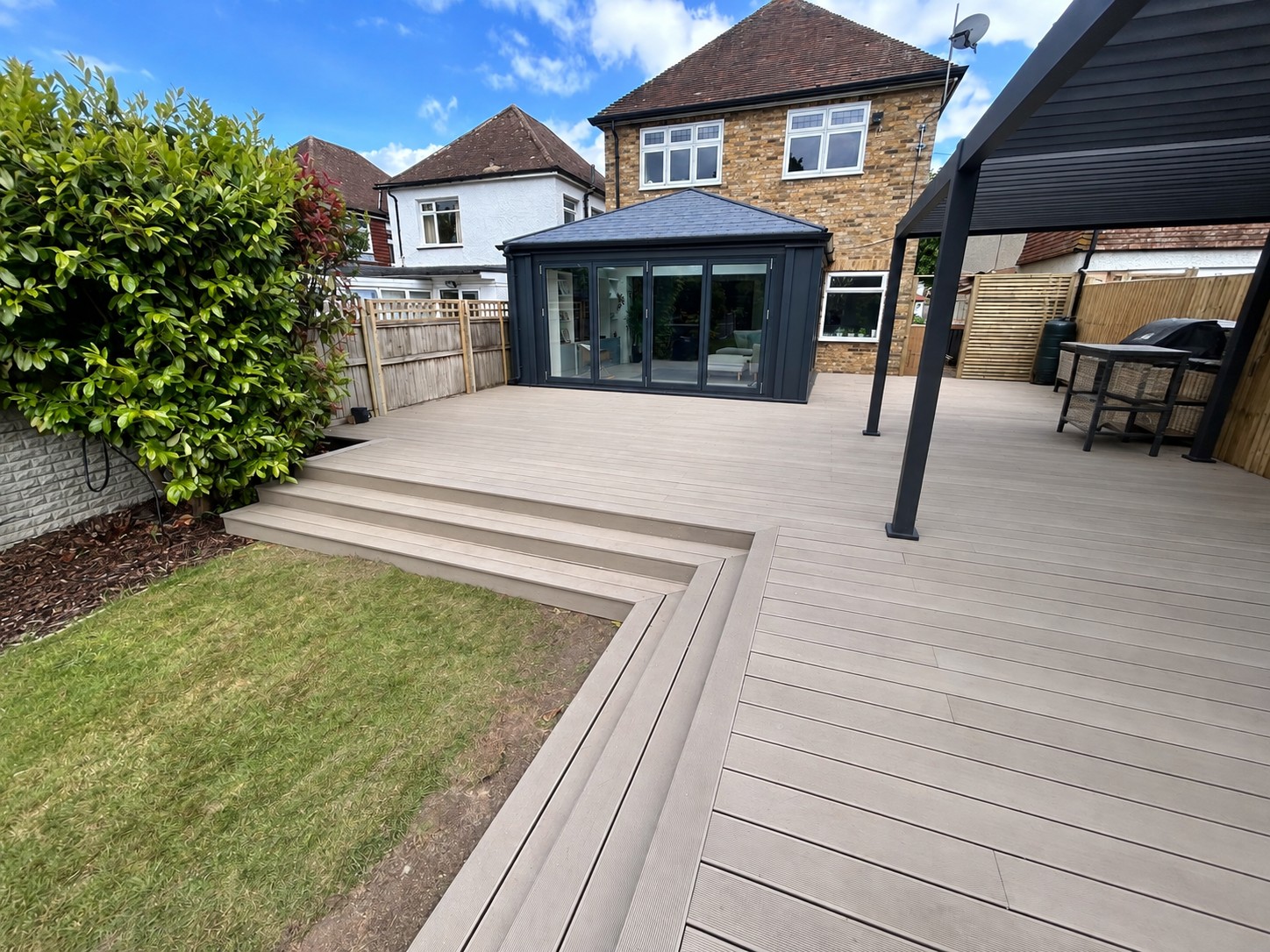
A broad decking terrace with defined board lines and steps connecting the house to the lawn.
View Sittingbourne projectDeal
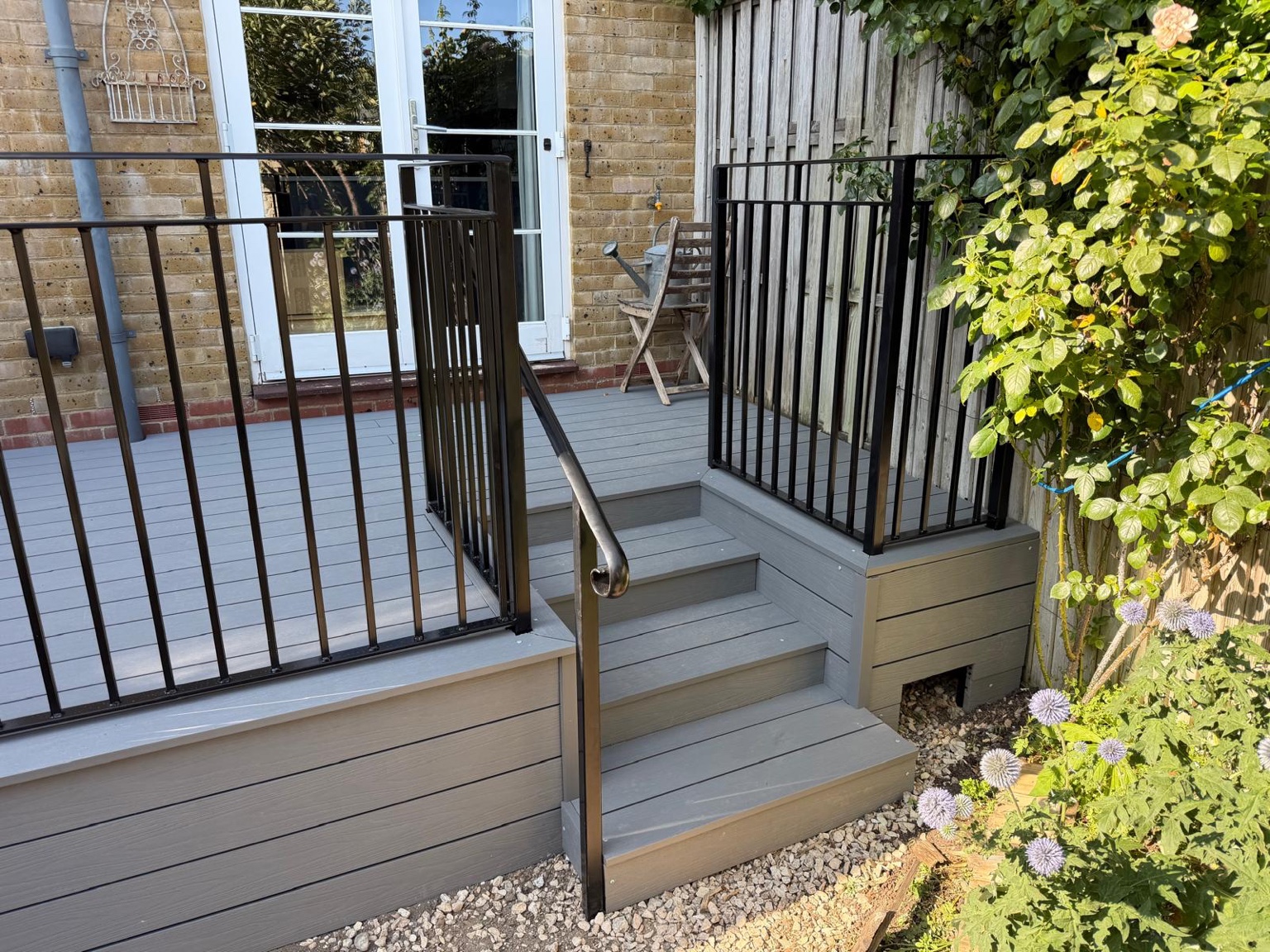
Raised grey decking with black railings, inset steps and a matching handrail.
View Deal projectCOMPLETED PROJECT · CANTERBURY
Porcelain paving, artificial grass and a custom steel-frame pergola with polycarbonate roof.
This completed Canterbury project illustrates the work shown in the photographs. We can discuss the requirements of your own Birchington-on-Sea property.
View this project →PLAN YOUR BIRCHINGTON PATIO
Send your postcode, garden photographs, preferred paving and approximate patio size.