Chislehurst
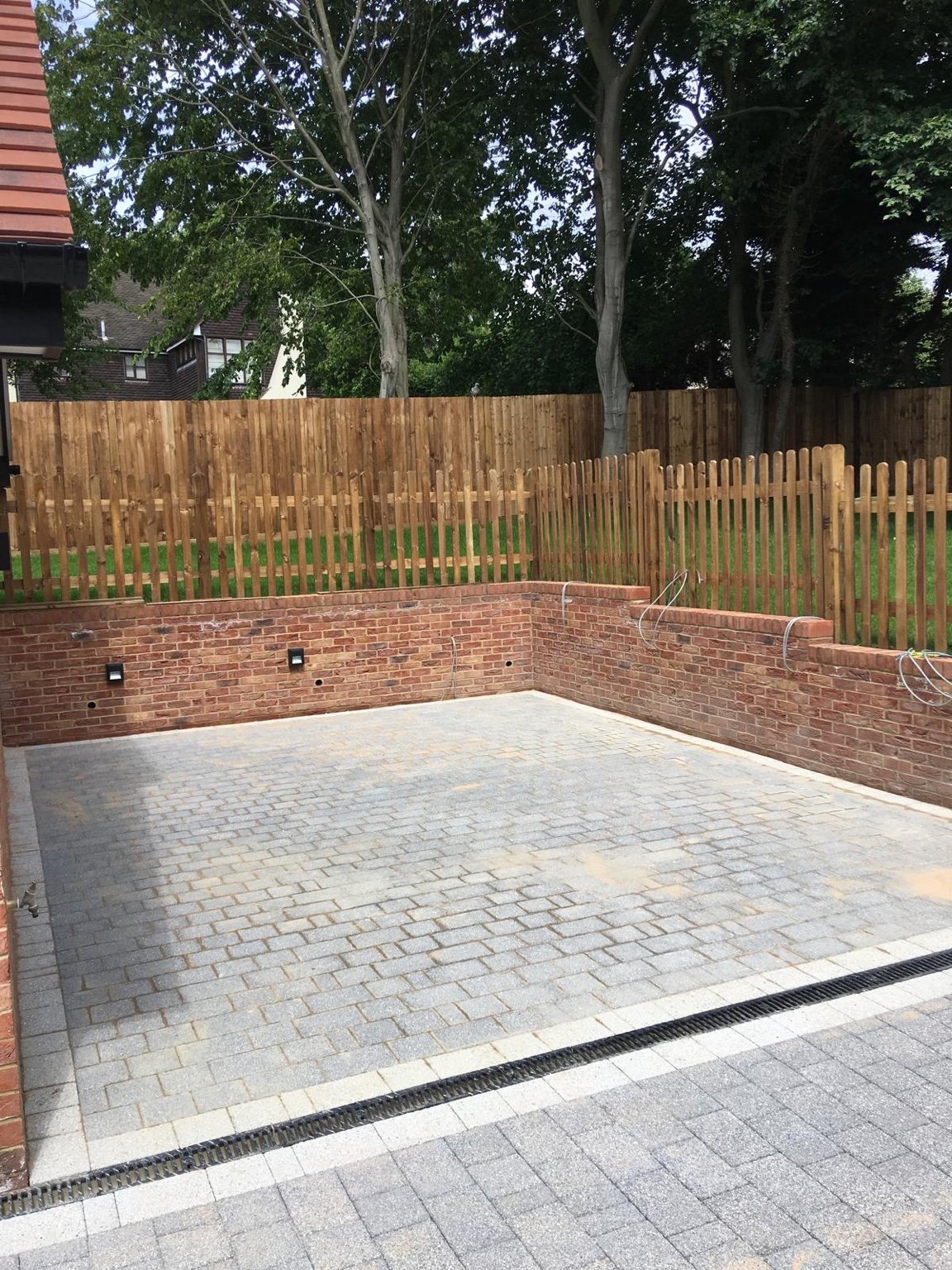
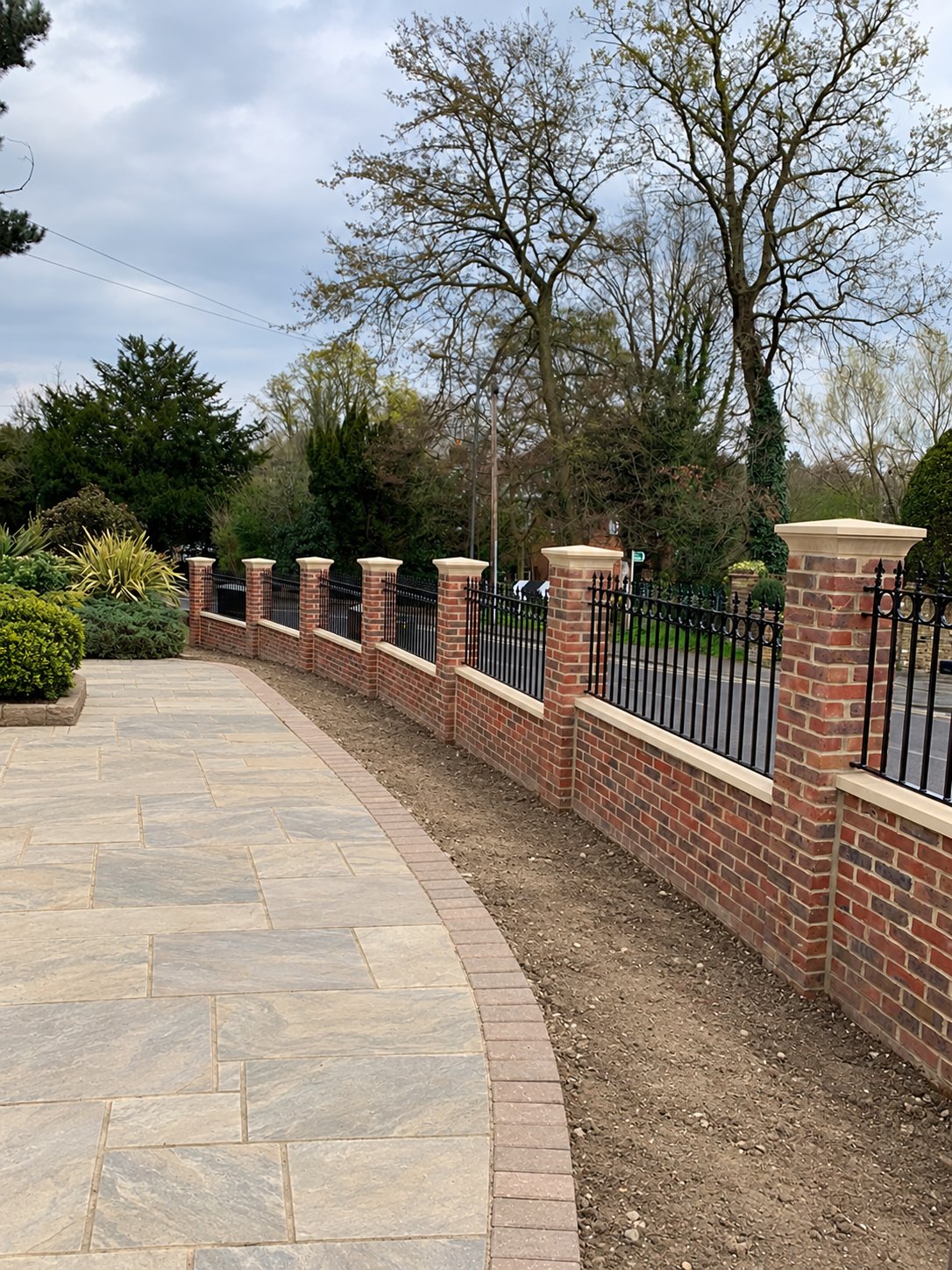
Brick piers, stone coping and railings
A brick boundary with pale stone coping and pier caps, finished with decorative railing panels.
View Chislehurst projectFOLKESTONE · EAST KENT
Get damaged panels, posts or gates assessed before choosing a repair. Our Folkestone fence repair enquiries cover the failed section and its surrounding supports, so the proposal can compare a local repair with replacement where wider deterioration is present.
A single broken board does not necessarily mean the whole fence needs replacing. Equally, a panel can look usable while its posts or fixing points are failing. Show both the damaged part and its neighbours when you enquire.
Keep clear of unstable fencing and explain if it affects a walkway or adjoining property. Do not rely on a leaning section for support while waiting for assessment.
Replacing a panel requires matching the opening and checking how it fits the posts. Inspect brackets, gravel boards and neighbouring panels before selecting a replacement. A new panel on a weak post may leave the underlying problem untouched.
A repair may look different from weathered timber. Discuss matching style and dimensions, and whether consistency across a longer run is important to you.
A leaning post may involve decay, movement in the footing or loading from a gate. The appropriate repair follows that assessment rather than simply straightening it. Describe nearby paving, walls and known buried services.
Post work can involve taking out an old foundation and reinstating adjacent surfaces. Clarify those elements in the quotation. Retained supports must suit the repaired run and the loads they carry.
Hinge wear, a moving post, a distorted frame or changed ground levels can stop a gate closing properly. Photograph the hinges, latch and clearances as well as the full opening.
Explain whether it began after wind, rain or nearby construction. Trimming the bottom is not always the right solution. Agree replacement fittings and the clearance needed for the intended use.
An isolated failure in an otherwise sound run may suit targeted work. Widespread rot or several unstable posts may make replacement more practical. Compare the condition of retained parts and likely future maintenance, as well as today’s cost.
A fence-installation average cannot reliably price one broken post. Ask for removal, materials, fixings, access and reinstatement to be described in the repair quotation.
Check ownership, relevant obligations and agreements before commissioning work. Do not assume your neighbour must repair or share payment just because the fence lies between the gardens. Agree access where work affects the other side.
Tenants should check their tenancy and landlord’s process before arranging alterations. If ownership or responsibility is unclear, resolve it before replacing boundary features rather than using panel orientation as proof.
Discuss garden fencing in Folkestone, garden walls and brickwork in Folkestone. Agree levels, access and the order of work together where the project includes several improvements.
GOV.UK: property boundaries explains the records and agreements relevant to boundary features. Confirm ownership and agreed access before changing a fence.
The damaged components, surrounding condition, removal and access determine the price. Compare a defined repair scope.
Responsibility depends on ownership and relevant obligations or agreements. Confirm these before commissioning the work.
There is no automatic answer based only on location. Check the records and specific obligations rather than assuming a general duty.
Compare the proposed repair total, including materials and removal, with equivalent quotations.
Where the opening and retained supports are suitable. Send views of both posts and adjoining sections.
That option needs assessment of the post, foundation and loads. It is not suitable for every failure.
Discuss the hinges, frame, post movement and ground levels so the cause can be identified.
A small repair may cost less initially, but failing retained sections can change the sensible scope.
OUR WORK · KENT
Chislehurst
A brick boundary with pale stone coping and pier caps, finished with decorative railing panels.
View Chislehurst projectSt Margaret’s Bay
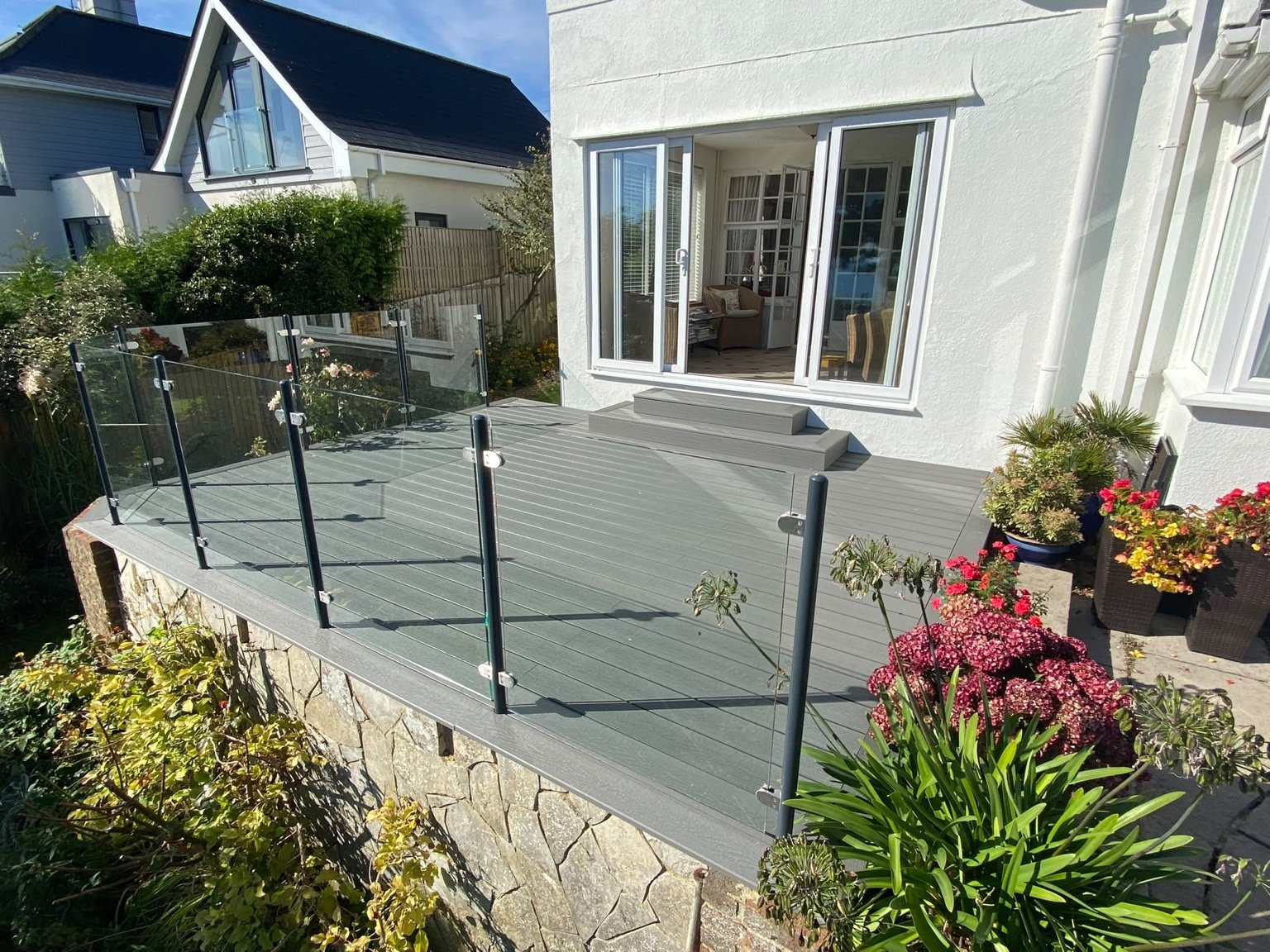
Grey composite decking, glass panels, powder-coated steel posts and matching steps.
View St Margaret’s Bay projectFolkestone
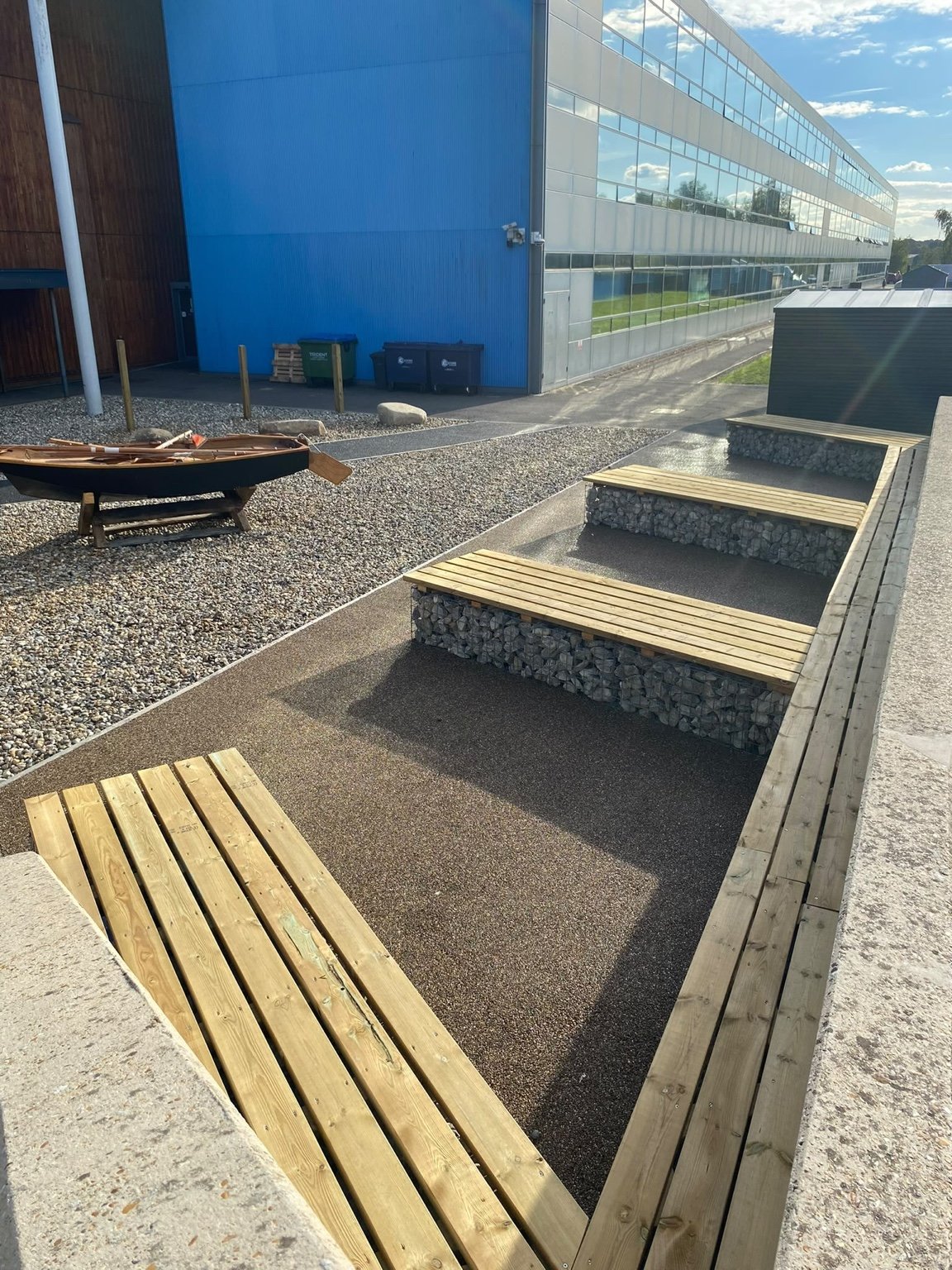
Timber-topped gabion benches, resin-bonded surfacing, shingle and a boat feature at the academy entrance.
View Folkestone projectCanterbury
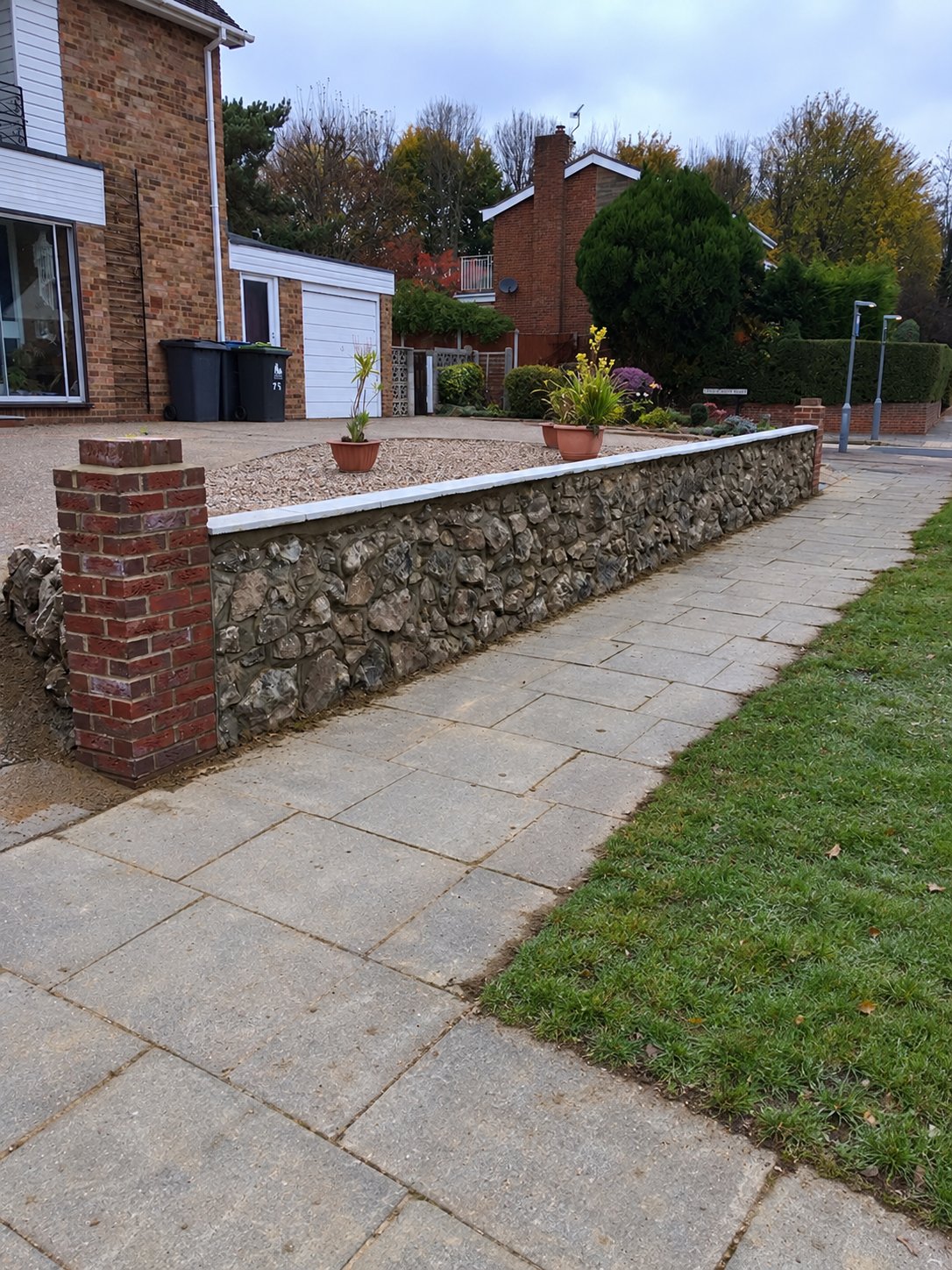
The stones from a customer’s late husband’s rockery kept and reused in a new front wall.
View Canterbury projectCanterbury
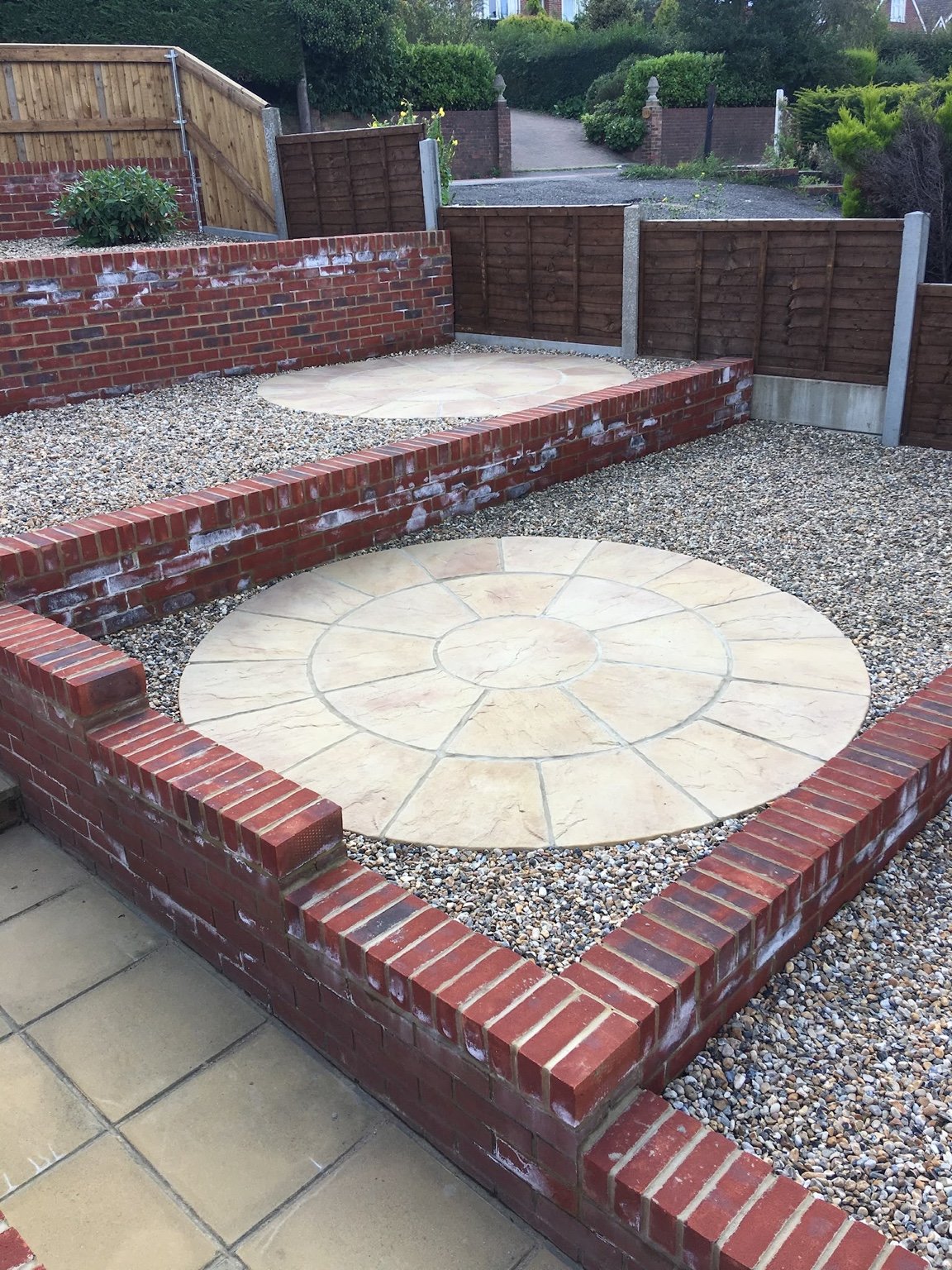
Retaining walls, shingle infill and riven buff slab circles across connected garden levels.
View Canterbury projectAshford
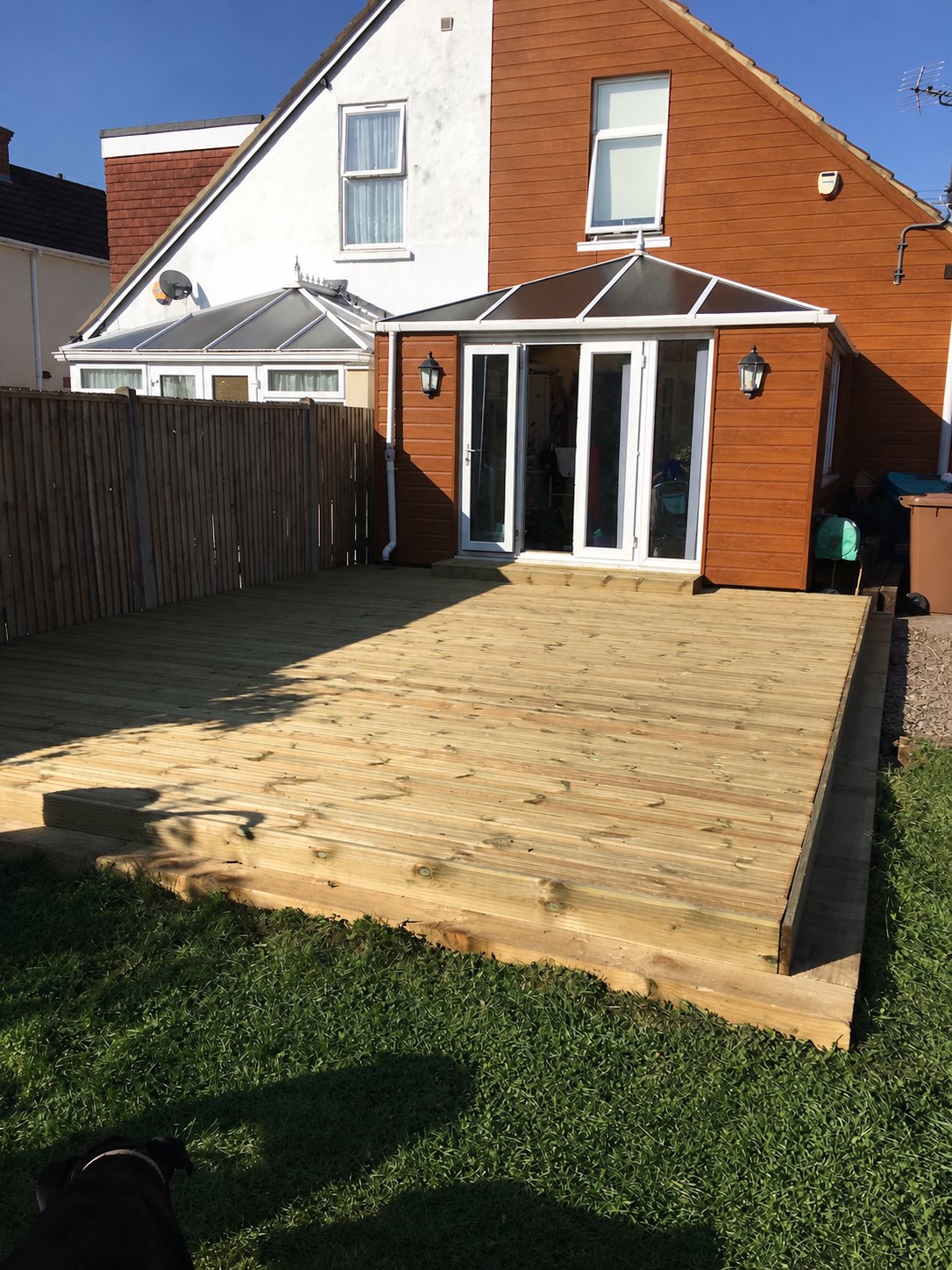
Before, during and after a timber decking replacement, from the old deck to the finished terrace.
View Ashford projectBorough Green
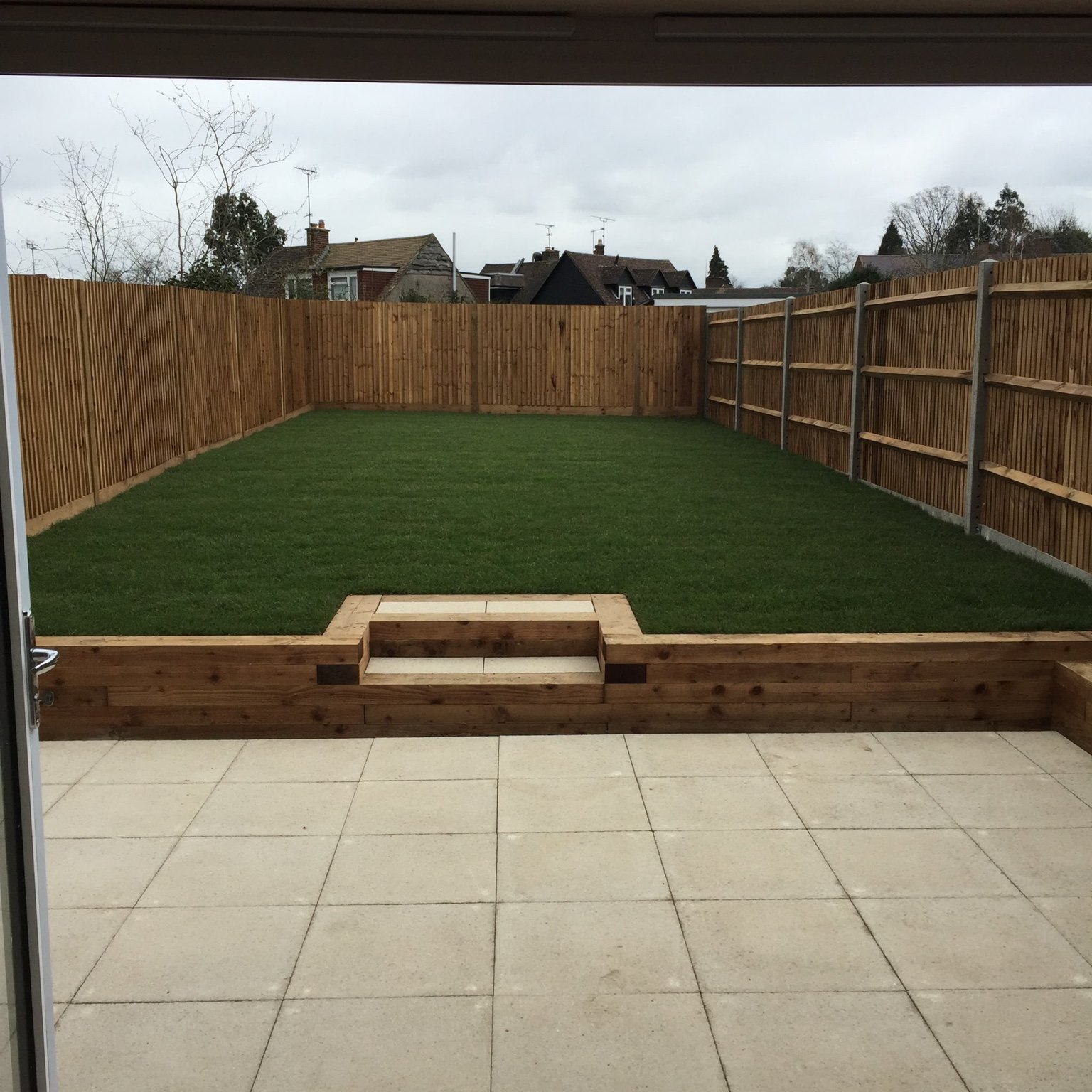
1800mm closeboard fencing, softwood sleeper planters, a 450mm buff slab patio and new turf.
View Borough Green projectCanterbury
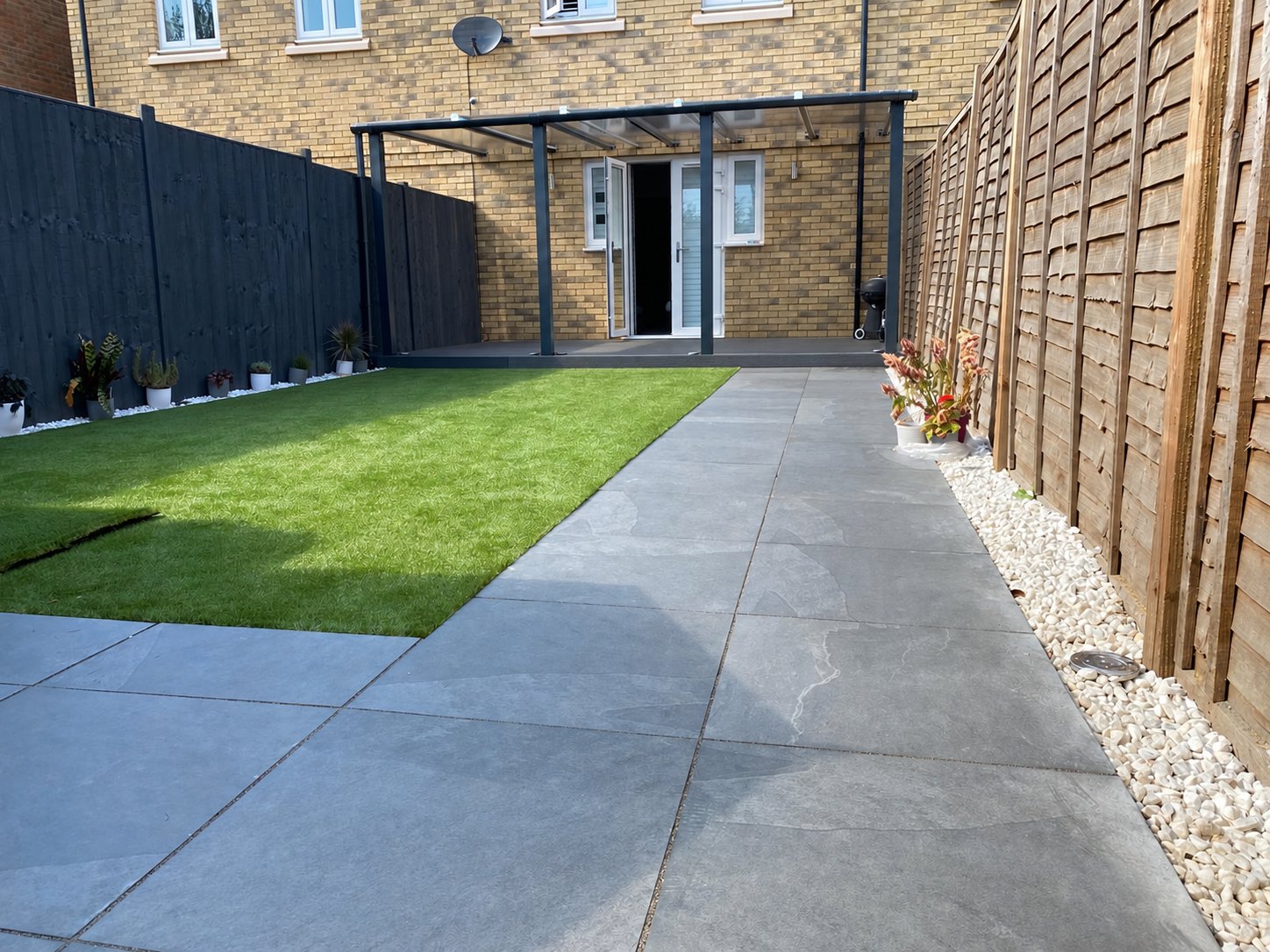
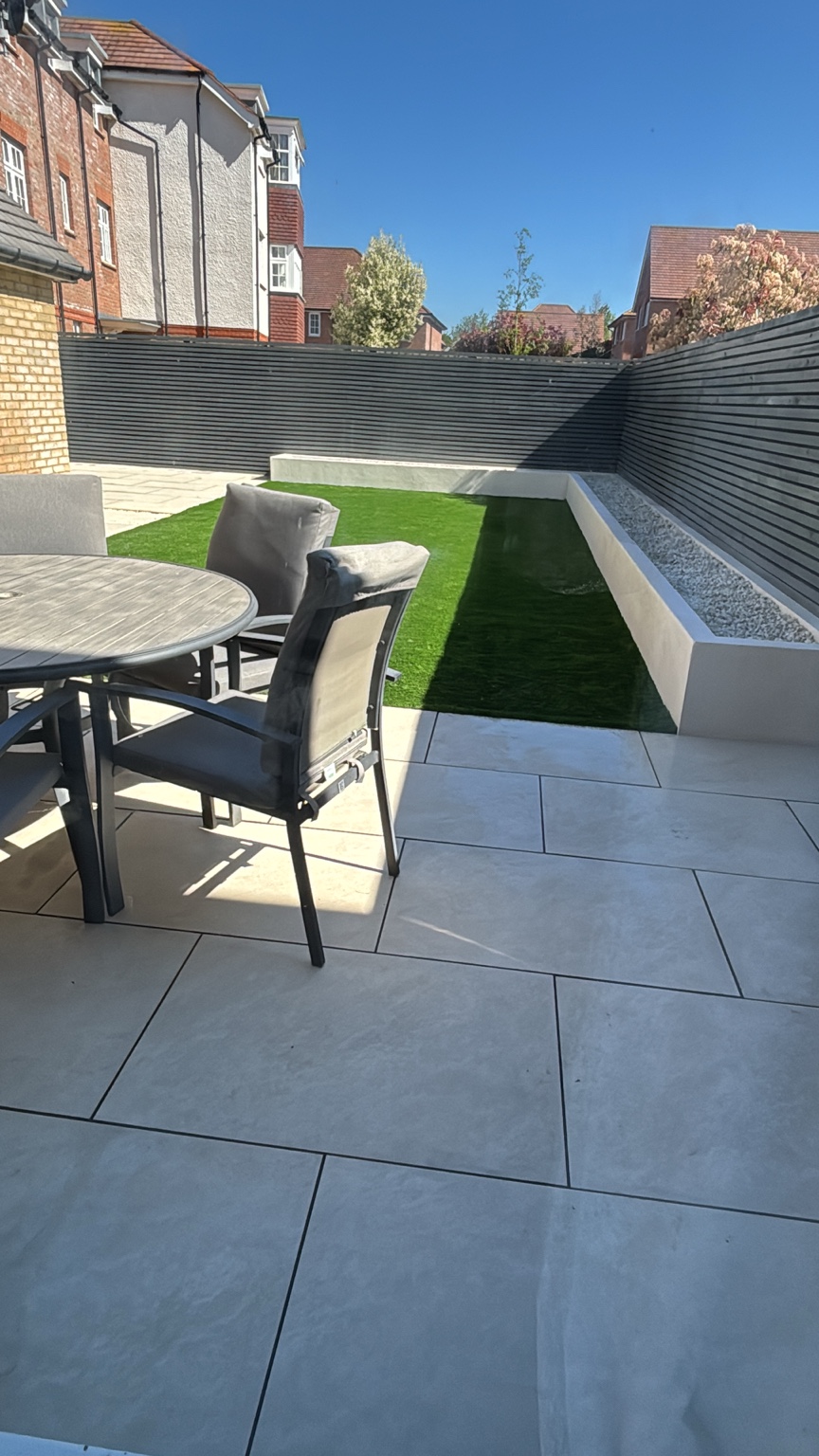
Porcelain paving, artificial grass and a custom steel-frame pergola with polycarbonate roof.
View Canterbury projectStrood
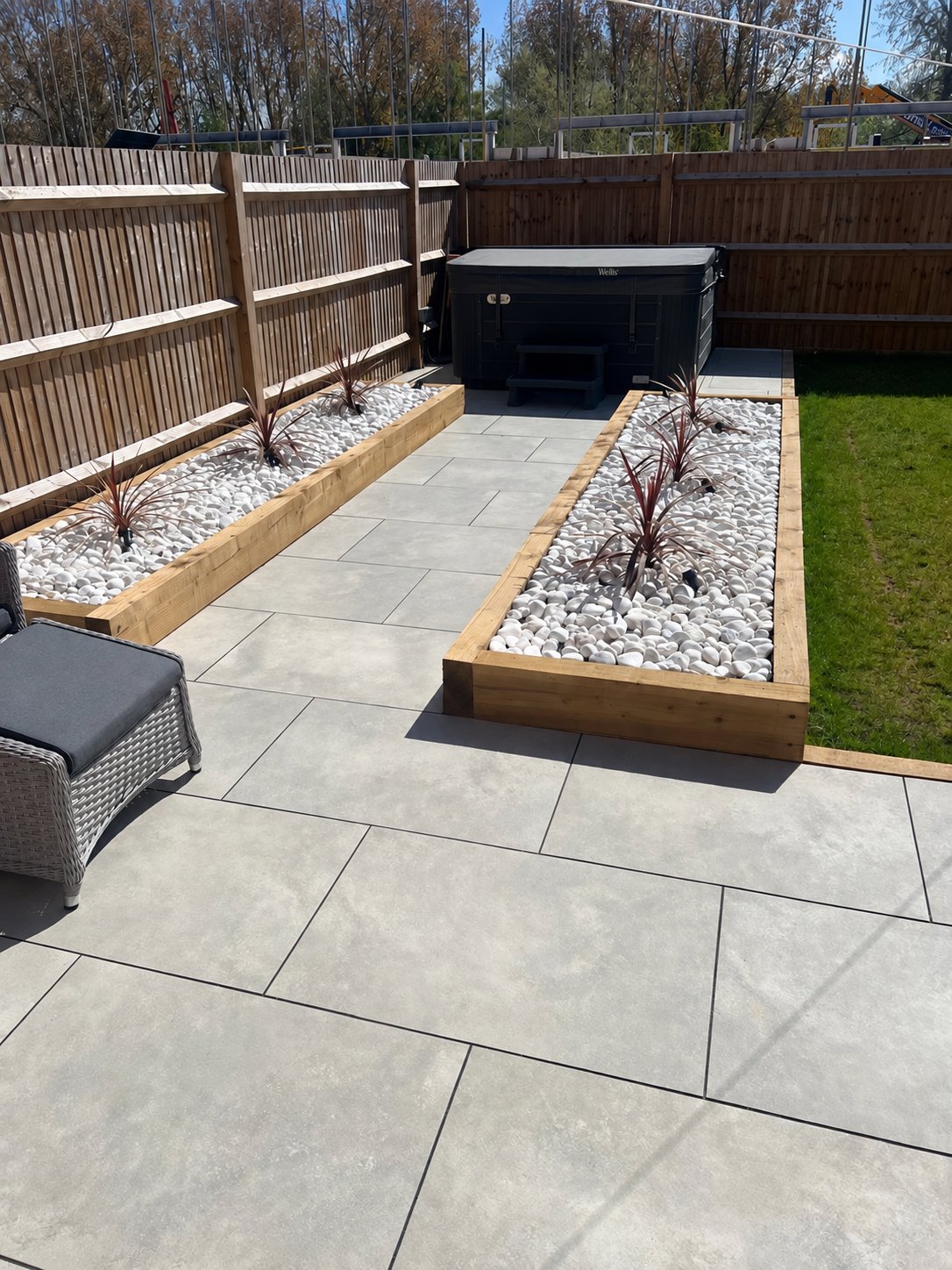
Grey porcelain paving framed by timber sleeper planters, white decorative stones and planting.
View Strood projectWest Malling
Block paving, porcelain patio, brick retaining walls and two styles of timber fencing.
View West Malling projectAshford
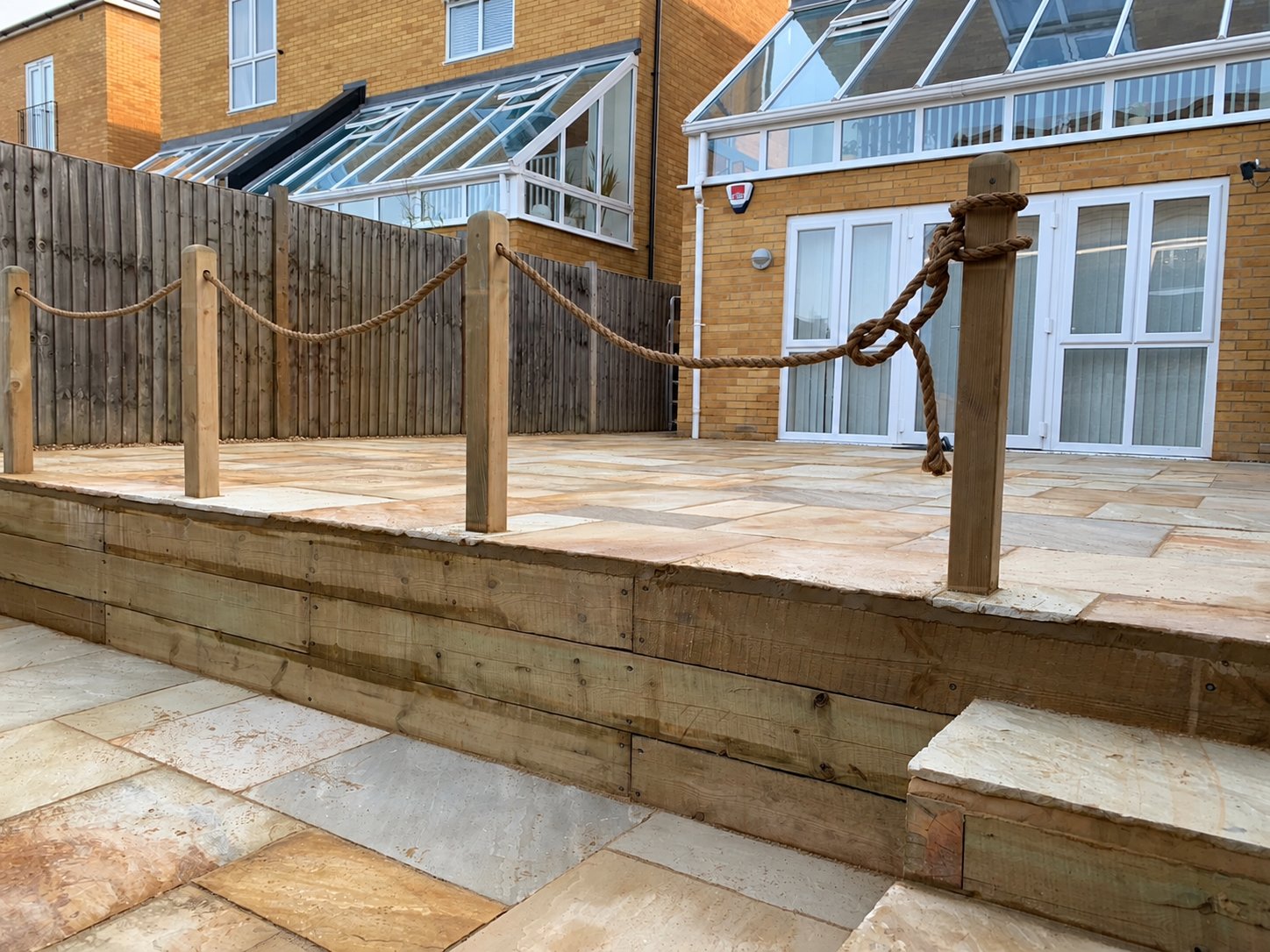
Sandstone paving across two levels, with timber sleeper retaining walls.
View Ashford projectDeal
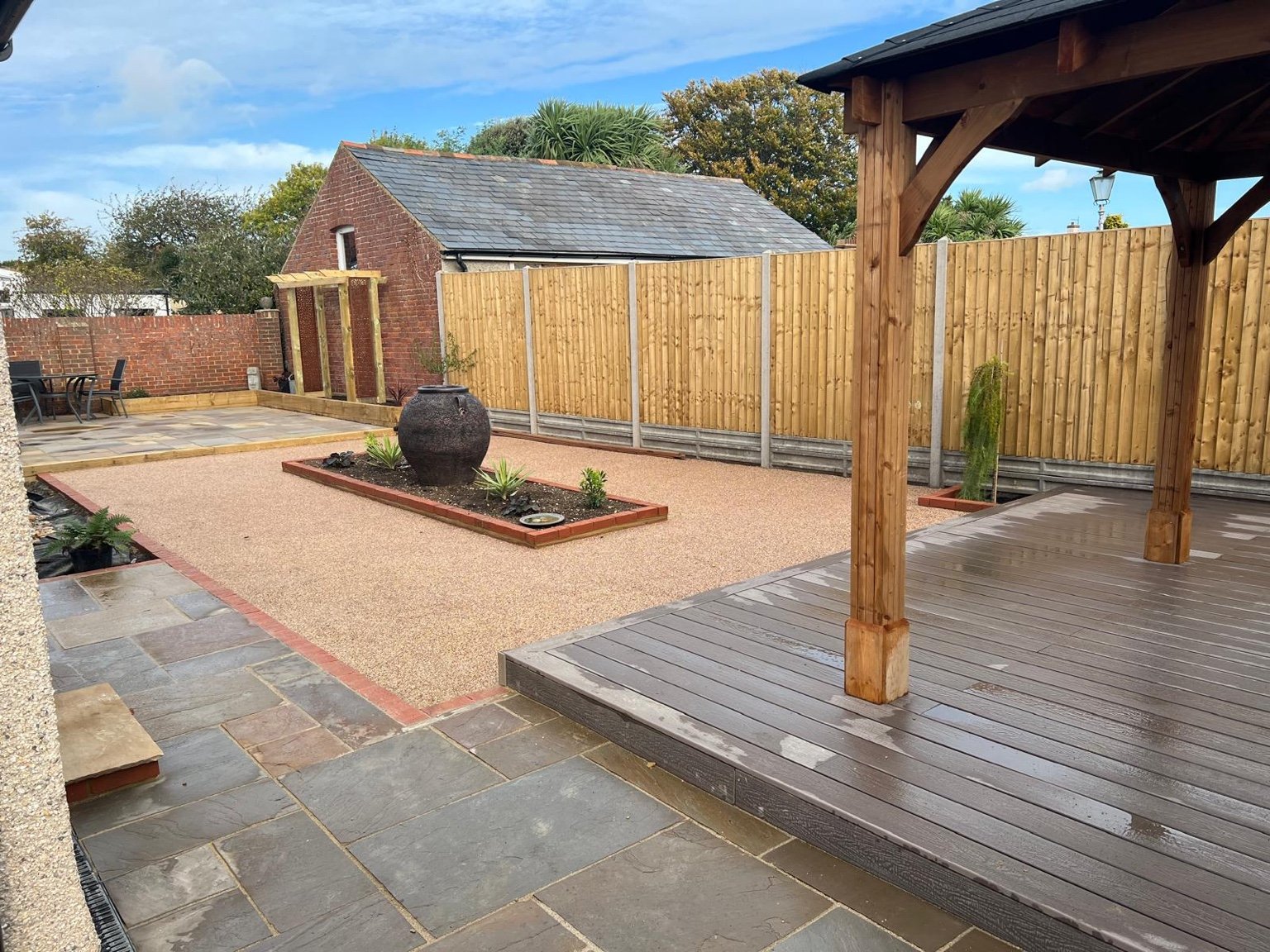
A sandstone patio, ash-coloured composite decking, pitched-roof pergola and sleeper planters.
View Deal projectSevenoaks
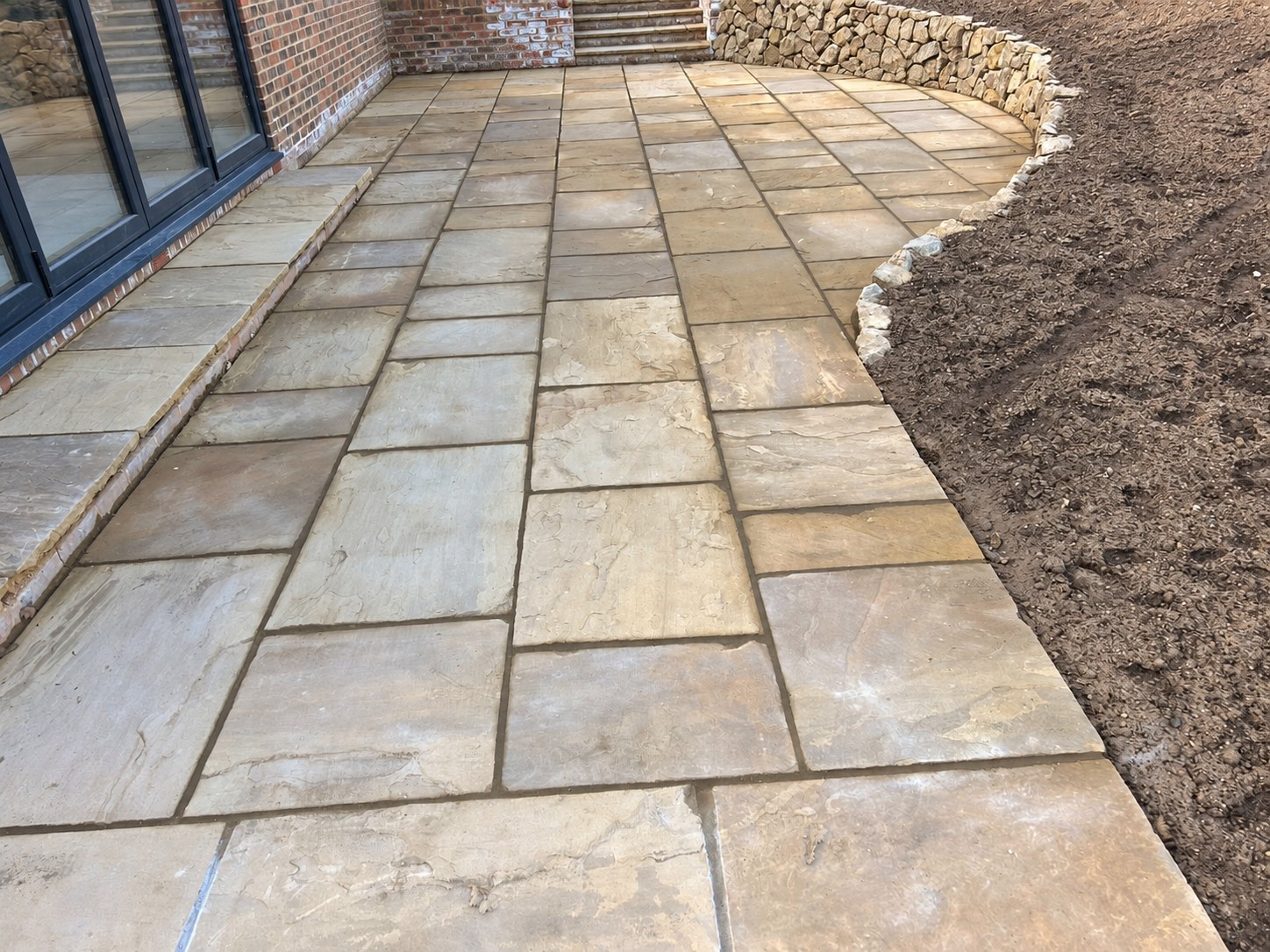
75mm thick York stone paving, curved paths, brick walls and Kentish ragstone walls.
View Sevenoaks projectHerne Bay
Porcelain patio, raised bed, artificial grass and slatted fencing. See the garden before and after.
View Herne Bay projectSittingbourne
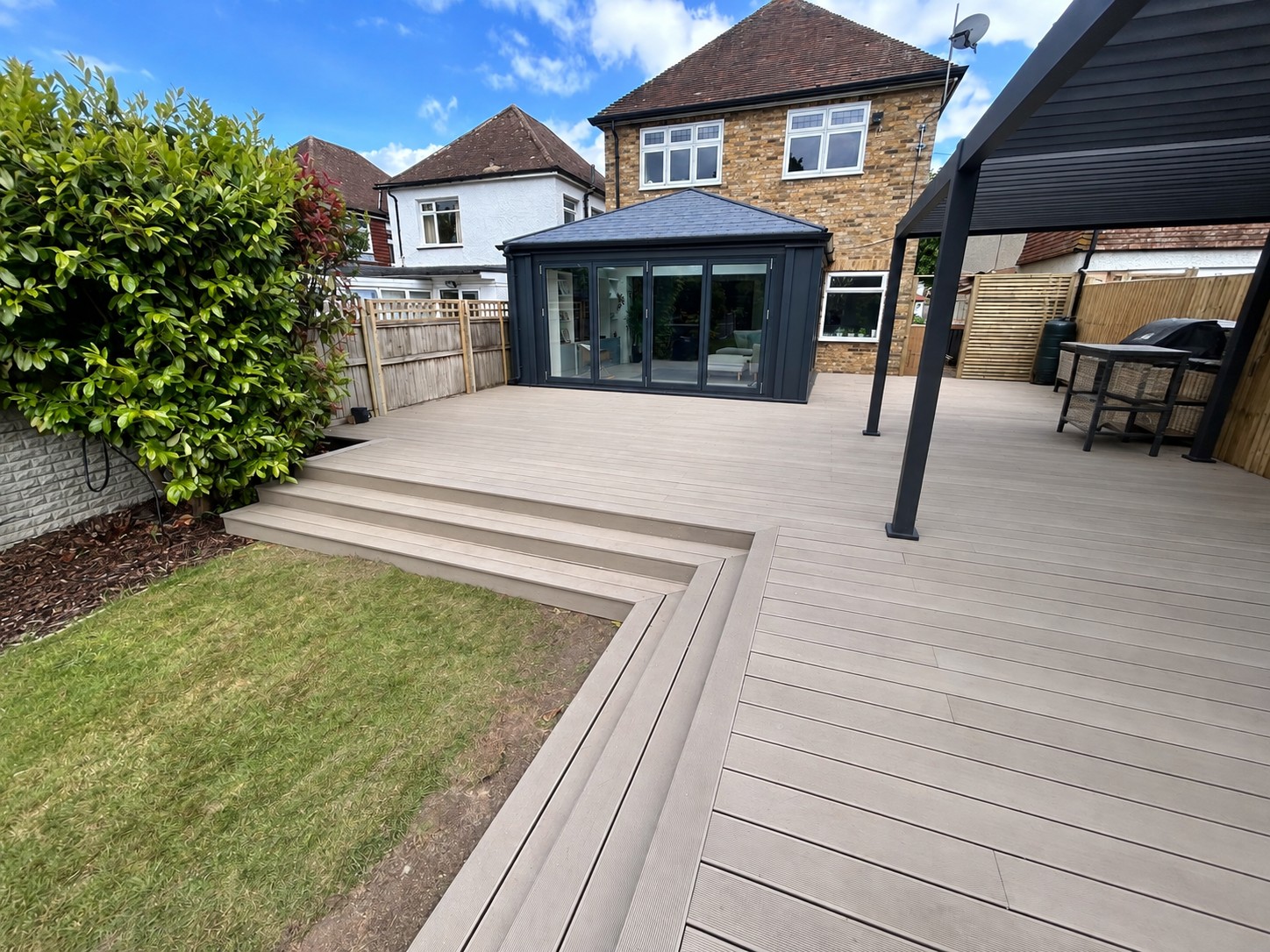
A broad decking terrace with defined board lines and steps connecting the house to the lawn.
View Sittingbourne projectDeal
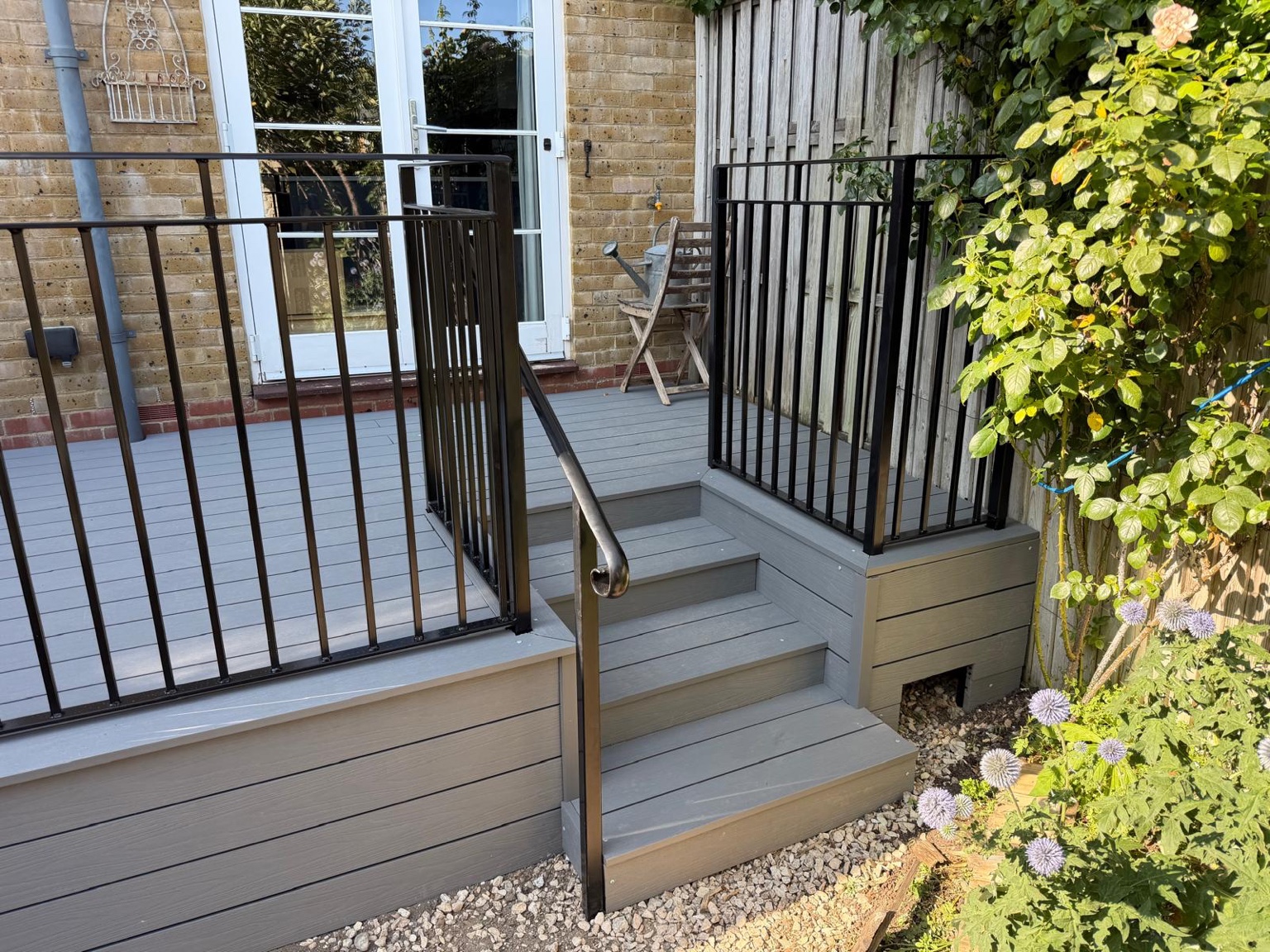
Raised grey decking with black railings, inset steps and a matching handrail.
View Deal projectA repair proposal should name the affected panels, boards, rails, posts and fixings. Distinguish the failed component from the supports that remain. Describe the likely appearance of new material beside weathered sections and check whether compatible sizes can be obtained.
Agree access and how an opening will be managed while work takes place. Show nearby paving or planting that could be affected by removing a post foundation. If further deterioration is discovered after taking the fence apart, ask how any changed scope and cost will be agreed before additional work proceeds.
Use the same agreed scope when comparing proposals. Confirm the materials and work below the visible finish, together with any retained construction. Ask how exclusions or provisional work will be handled and keep the written specification with the quotation.
Photographs, dimensions and access details help define the work. They can start the discussion, with a visit or further assessment where needed. A quoted total is useful when it is clear what the finished result includes.
Agree the programme after the scope and materials are confirmed. Include delivery arrangements, protection of retained features and any periods when the area cannot be used. At handover, confirm how the completed work should be used and cared for, and retain the relevant product details.
YOUR FOLKESTONE PROJECT
Include your postcode, approximate dimensions and access details for a free, no-obligation quotation.