GARDEN & DRIVEWAY GUIDES
Artificial grass vs turf in Ashford
Natural turf and artificial grass have different maintenance needs, appearances and drainage requirements.
Compare the maintenance you can actually do
Natural turf needs establishment care, mowing and seasonal attention. Artificial grass removes mowing but needs cleaning, brushing where advised and eventual replacement. Neither choice fixes poor ground conditions automatically; the proposed installation should address the specific site.
Use, feel and environmental trade-offs
Turf is a living surface that changes with the seasons and supports more garden life. Artificial grass gives a more consistent synthetic appearance, but its temperature, feel and behaviour depend on the product and conditions. For children or pets, assess the actual product and cleaning needs rather than relying on a “family friendly” label.
A mixed garden may answer the question
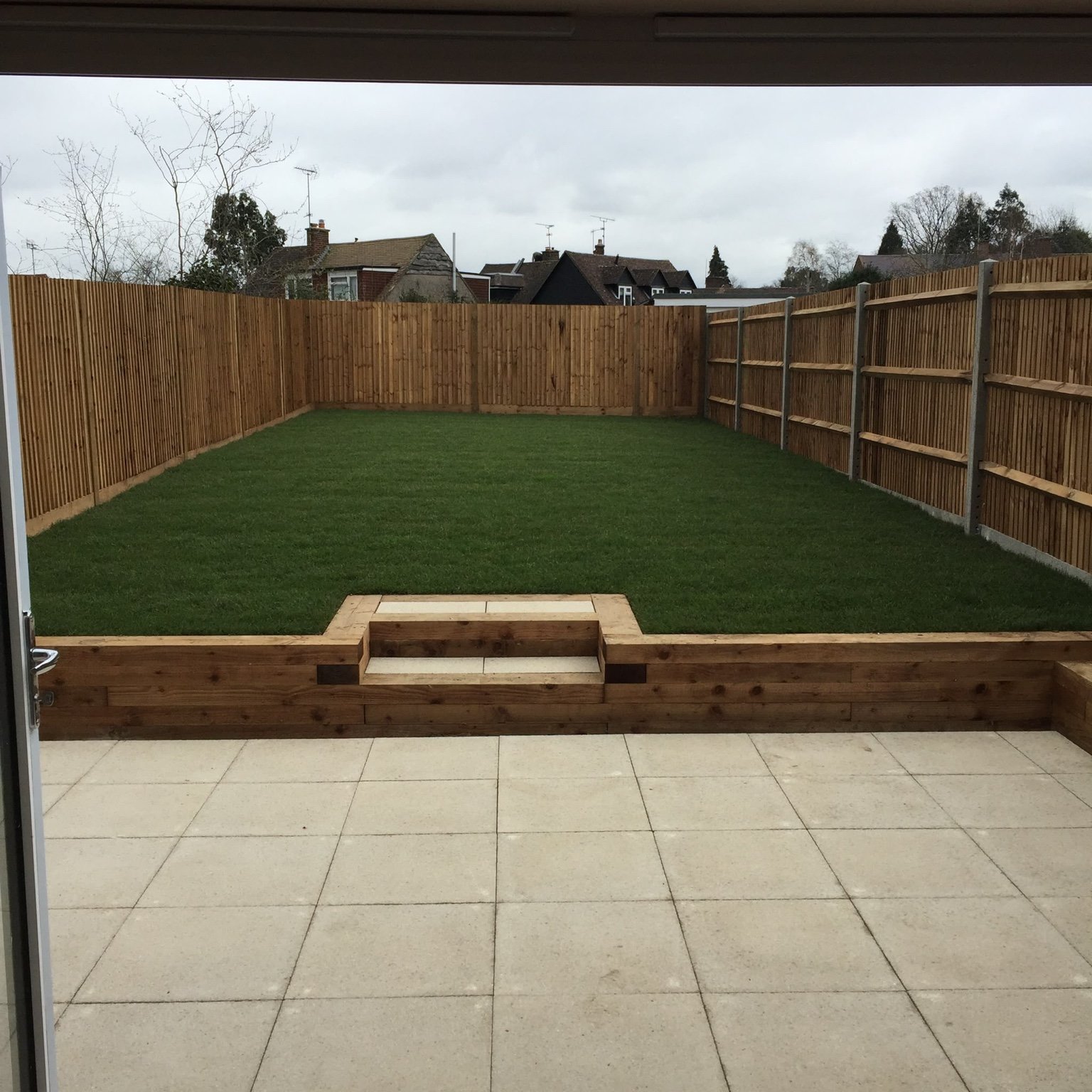
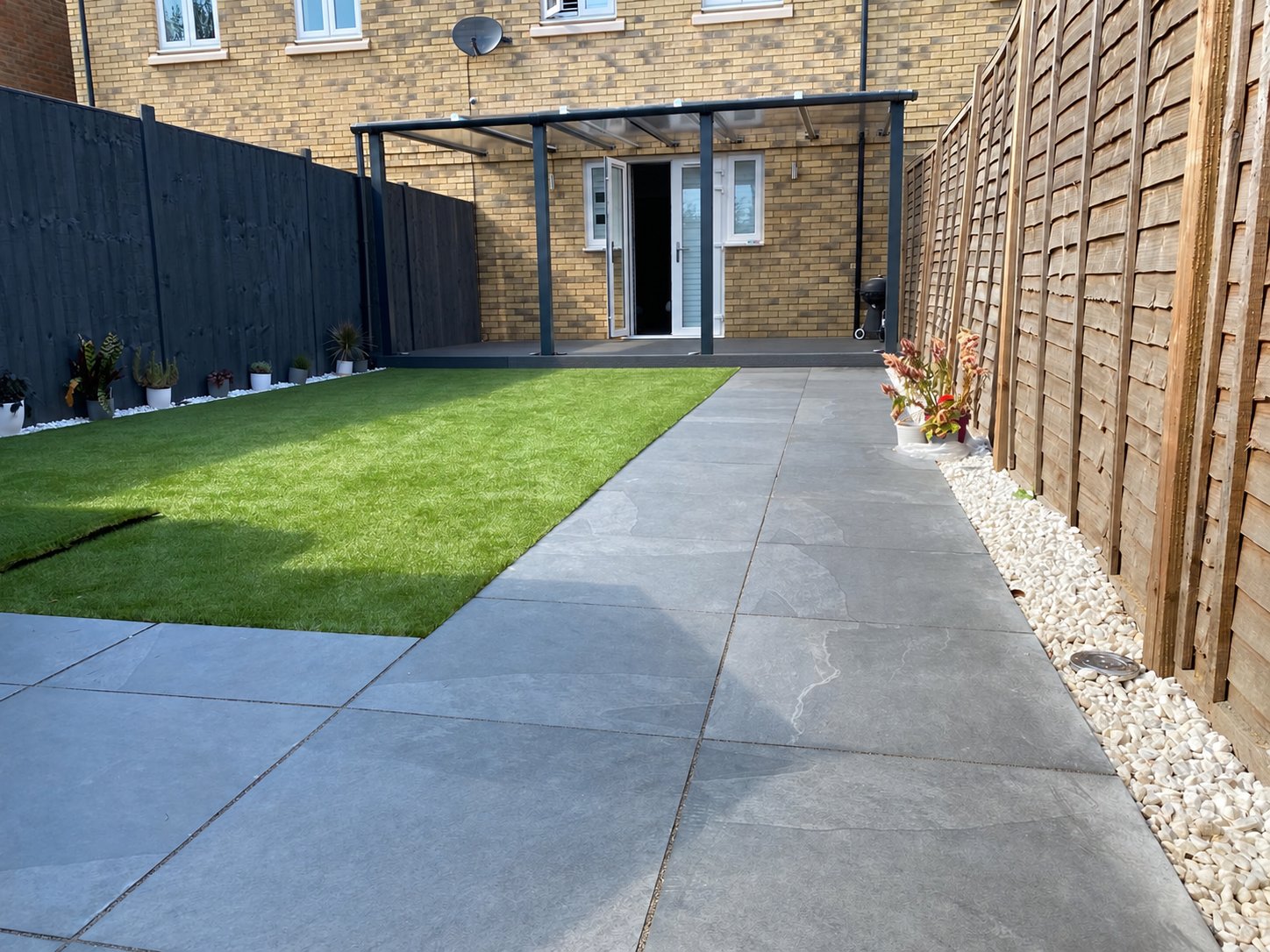
A defined paved route can reduce wear on turf, while better soil preparation may address a failing lawn. Before replacing the entire grass area, identify why it is not working. The best choice can be a smaller lawn with better access and planting rather than a like-for-like material swap.
Test the choice against your own garden
Take samples outside, mark out the area and consider the route between the house, storage and seating. List the care you can realistically provide. Compare complete installation scopes for the options you shortlist, including the work beneath the visible finish.
Discuss your project
Share your location, dimensions and the existing condition, together with the change you want to make. We can discuss the options and arrange a visit where needed.
Explore artificial grass in Ashford · Request a free quote
Confirm the laying plan and care requirements
Record the area’s shape and obstacles before estimating product quantity. Roll widths, pile direction and cutting can affect joins and waste. Compare samples in daylight and ask what backing, fixing and any infill requirements apply to the chosen product.
For pet use, discuss hygiene and the route for cleaning water as part of the construction. For children’s play, establish the actual intended use rather than assuming a soft-feeling sample meets every requirement. Retain planted areas where useful and plan future maintenance access around the new lawn.
What the complete Ashford quotation should cover
Use the same agreed scope when comparing proposals. Confirm the materials and work below the visible finish, together with any retained construction. Ask how exclusions or provisional work will be handled and keep the written specification with the quotation.
- Measured lawn, roll layout, product and purchased quantity
- Old-surface clearance and waste removal
- Base preparation, levels and the complete water route
- Edge system, fixing, joints and any specified accessories
- Access, adjoining finishes and relevant use requirements
- Cleaning guidance, product terms, VAT and exclusions
Photographs, dimensions and access details help define the work. They can start the discussion, with a visit or further assessment where needed. A quoted total is useful when it is clear what the finished result includes.
From the first enquiry to handover
- Measure the shape and describe family, pet or seating use.
- Assess existing ground, drainage and the proposed product.
- Prepare the specified support and edges.
- Fit the planned roll layout, joins and fixings.
- Receive brushing and cleaning instructions for the installed system.
Agree the programme after the scope and materials are confirmed. Include delivery arrangements, protection of retained features and any periods when the area cannot be used. At handover, confirm how the completed work should be used and cared for, and retain the relevant product details.
Questions about planning this work
What information should I send with my enquiry?
Send the postcode, approximate dimensions, photographs and a description of the current area. Include access restrictions and the features you want to keep.
Does the quotation include preparation?
Ask for the preparation and supporting construction to be itemised. The visible finish alone does not describe a complete installation.
Can existing materials or construction be retained?
This depends on their condition and suitability for the intended work. An assessment should identify what can stay and what needs replacing.
How do I compare proposals?
Compare the same dimensions, materials, preparation, drainage and finishing details. Check exclusions, waste removal and VAT before judging the total.
When can the finished area be used?
Agree the handover arrangements for the specified materials and work. Weather, product requirements and establishment periods can affect when normal use begins.